Shopping Cart

The Ultimate Summer Camp Packing List for Your Camper

Posted on


Packing for summer camp can make even the calmest parent feel overwhelmed—suddenly you’re surrounded by piles of shirts, swimsuits that seem to multiply, flashlights you didn’t know you owned, and enough unmatched socks to question reality. It’s the moment when excitement mixes with pressure, and you wonder whether you’re missing something crucial. Every parent hits this point.

That’s where this summer camp packing list comes in.

Think of this guide as your shortcut to calm. Instead of scrolling through a dozen contradictory lists, you’ll get one clear, complete overview of everything your child needs for a smooth, confident start. Whether it’s your child’s first summer away or you’re getting ready for a second or third session, this list covers the essentials, the extras, and the often-forgotten items that make all the difference.

Camp life is busy, messy, and full of adventure—but with the right preparation, it becomes a whole lot easier. So let’s take the stress out of packing and send your kid off feeling ready, equipped, and excited for their summer stay.


_______________________________________


Everyday Clothing Essentials for Your Packing List


Clothing is the backbone of any good packing plan. Camp days are active, sweaty, splashy, muddy, and full of surprises, so everyday clothing needs to keep up. Most camps recommend enough outfits for either a one or two-week stay, and that usually means durable, breathable, quick-dry pieces your kid can live in from morning wake-up to evening campfire.

Start with the basics. Think comfort and durability over style—camp isn’t the place for anything delicate or brand-new. Days are filled with running, playing, exploring, and occasionally rolling down a grassy hill, so you want clothes that can take a beating and still come home useful.

labeled camp gear

Here’s a simple clothing list most families follow:

•    T-shirts or camp-friendly tops (7–10)
•    Shorts (5–7)
•    Long-sleeve shirt or lightweight layer (1–2)
•    Swimsuits or Swim Trunks (2–3)
•    Underwear and socks (enough for each day)
•    Pajamas (2–3 sets)
•    Sweatshirt or hoodie (1–2)
•    Light jacket or fleece (1)
•    Rain gear (poncho or light jacket)


Footwear deserves special attention. It keeps kids safe and comfortable in a variety of settings. Pack at least two pairs: sturdy sneakers for everyday adventures and sandals or water shoes for the pool or lake. If your camp offers hiking, horseback riding, or climbing programs, consider a dedicated pair that matches those needs.

This is also the time to remember one universal rule: LABEL EVERYTHING. Clothing has a magical way of disappearing at camp, and clear labels help socks and sweatshirts make their way back to your child’s bunk instead of becoming cabin souvenirs.


Shop Clothing


_______________________________________


Core Gear for Camp Life

Once clothing is covered, it’s time to think about the gear your kid will use daily. This is where the real heart of your child’s camp experience begins—the tools and items that support their independence, comfort, and routine throughout their stay. With the right camp gear, mornings run smoother, bedtime feels easier, and your child stays prepared for whatever comes their way.

Start with bedding. Most overnight programs use standard-size vinyl mattresses, so a fitted sheet and lightweight blanket or sleeping bag work perfectly. Add a pillow that feels like home—you’d be surprised how comforting a familiar pillow can be for a first-time camper adjusting to new sights and sounds.

Next comes the wash routine. A toiletry or shower caddy keeps everything contained and prevents bottles from rolling around the cabin floor. Include the basics: toothbrush, toothpaste, soap or body wash, shampoo, hairbrush, deodorant, and sunscreen. If your camp has a pool or lake program, add a small bottle of leave-in conditioner to help with tangles or chlorine.

A few more items round out your child’s daily camp life:

•    Flashlight or Headlamp (with extra batteries)
•    Laundry Sack (breathable, washable, durable)
•    Water bottle (labeled clearly)
•    Quick-dry Towel
•    Packing Cubes for organization

These simple tools give your child confidence. They can find what they need, keep track of their belongings, and move through the camp schedule like a pro. A little structure goes a long way in the cabin environment where twenty kids share space, supplies, and storage.

And as always, check your camp’s guidelines. Some prohibit some things or recommend specific options to keep bunk life neat and safe. Use this list as your main reference, then adjust based on your camp’s policies.


Shop Gear


_______________________________________


Specialty Items Depending on Your Camp

No two facilities are exactly alike. Some lean heavily into water sports, while others focus on horseback riding, music, or wilderness programs. The best summer camp packing approach includes a flexible structure: start with universal basics, then add specialty items based on your camp’s activities.

Waterfront programs often require extras like swim goggles, a rash guard, or an additional quick-dry towel. Art-centered camps might request old T-shirts or aprons for painting and crafting. Outdoor adventure camps usually ask families to bring long socks, durable pants, and a hat for daytime protection.

A few common specialty additions include:

•    Closed-Toe Water Shoes for lake or creek play
•    Long Pants for horseback riding
•    Insect Repellent
•    Reusable Bags for wet clothing
•    Notebook or Journal for writing or sketching
•    Travel-Size First-Aid Items (if camp allows)

This is also the perfect place to mention labeling again. Specialty gear tends to be the most frequently lost category at camp, especially when multiple cabins share equipment rooms. A labeled snorkel mask or a monogrammed towel stands a much better chance of coming home with your child.

Throughout the summer, these specialty things become the difference between participating fully and having to sit out an activity. A little extra preparation ensures your child dives into each day without missing a beat.


_______________________________________


Camp Packing: What Goes in Your Camper’s Bag

Now that we’ve covered what to bring, let’s talk about how to bring it. Choosing the right duffel for camp depends on your child’s stay, your camp’s guidelines, and the type of packing that feels easiest for your family.

Many families stick with the traditional hard-sided trunk. It opens wide and flat, acts as a mini-dresser inside the cabin, and keeps items structured and easy to find. Other parents prefer soft trunks or duffel bags for their flexibility and travel-friendliness. Both options work beautifully—as long as they’re durable enough to handle campground terrain and cabin bustle.

Duffel offers separate compartment for footwear


Whichever option you choose, aim for something that opens fully. Vertical suitcases look tidy at home but become frustrating in a tight cabin where kids need quick access to everything. A full-open design gives campers a clear visual layout of their belongings and helps them stay organized throughout their time away.

When getting all packed up, try this simple system:

•    Clothes and bedding in the main compartment
•    Toiletries and shower things together in a caddy
•    Footwear in a separate corner or small side-bag
•    Flashlight, sunscreen, and bug spray within easy reach
•    A labeled laundry sack front-and-center

This keeps your child from rummaging through their entire duffle every morning. It also gives them a sense of routine—something that’s especially comforting during the first few days away from home.

Families packing for air travel often lean toward soft trunks or collapsible bags. If your child’s camp requires soft luggage or if you need an option that flattens for easy storage at home, these lightweight models are a smart choice. They’re easy to handle, simple to pack, and sturdy enough for everything camp life throws their way.

No matter what your child brings, the goal stays the same: a well-packed trunk builds independence and sets your child up for a smooth, confident start.


Shop Duffels


_______________________________________

Final Check: The Essential Summer Camp Packing List

When packing time gets close, it helps to run through a quick final checklist. This covers the essentials most likely to be forgotten when families rush to finish.

Here’s a clean list:

•    Fitted sheet + blanket or sleeping bag
•    Pillow from home
•    Water Bottle
•    Flashlight / Headlamp
•    Shower Caddy + Toiletries
•    Laundry Bag
•    Swimsuits or Swim Trunks
•    Two Pairs of Shoes
•    Sweatshirt or Fleece
•    Rain Jacket
•    Towels (bath + beach/pool)
•    Name Labels


If your camp provides a downloadable checklist, use this guide as your universal reference point. It works for overnight programs, day camp packing lists, and even specialty programs that run through several summer camp sessions.

You’ll find that most packing plans are built on the same foundation—this list simply brings it all together in one easy place.


_______________________________________


FAQ

What’s on a Summer Camp List?

A good packing list for a summer camp includes everyday clothing, two pairs of shoes, bedding, toiletries, swimsuits, a flashlight, a water bottle, towels, and any activity-specific items your camp recommends. Add a labeled laundry sack, rain gear, and a shower caddy to keep everything organized. Many camps also offer their own printable checklist which you can use alongside this guide to make sure you’re fully prepared.


What’s the Best Summer Camp Bedding to Pack?

Posted on

Camper reads on his comfy summer camp bedding.


When kids head off to summer camp, their bunk becomes their little corner of the world. After long days packed with swimming, hiking, and nonstop fun, a comfortable bed setup helps them recharge for the next round.

Summer camp bedding doesn’t need to be fancy—it just needs to feel familiar. Re-creating a touch of “home” goes a long way toward easing nerves and promoting better sleep. A soft fitted sheet, a cozy blanket or lightweight trail bag, and a pillow that feels like home are all they really need. Toss in a couple of bunk accessories, like a small throw or pillow cover, and you’ve got the perfect mix of comfort and practicality.

Comfort plays a bigger role than you might think. The first few nights of camp can feel overwhelming, especially for new campers adjusting to new faces, schedules, and sounds. A soft throw or favorite pillow can provide an emotional anchor. It's something familiar to hold onto while everything else feels new. It’s not just about sleeping well; it’s about feeling safe, grounded, and ready to take on each day’s adventure.


2. The Sheets vs. Sleeping Bags Debate

The great camp bedding question: should you send camp sheets, a sleep sack, or both? The answer depends on your camper and the camp environment.

Sheets work best when cabins are warm or air-conditioned and the mattresses have vinyl or waterproof covers. They’re easy to wash and feel like home. Mummy or rectangle bags, meanwhile, are a classic for good reason—they’re convenient, compact, and ideal for cooler nights or outdoor slumbers.

Some parents find the perfect middle ground: fitted sheet on the mattress, bedroll unzipped as a blanket on top. It’s the best of both worlds. Easy to make, easy to clean, and comfortable no matter the weather.

If your camper is prone to kicking off the covers, a lightweight sleeping bag might be easier to manage. For those who run warm, sheets and a light cover make a great combo. The goal is flexibility so your camper can rest comfortably whether the cabin feels like a sauna or a breeze tunnel.


3. Weather-Ready Summer Camp Bedding

Summer nights are unpredictable. It’s warm and muggy one evening, cool and breezy the next. The trick to keeping your camper comfortable? Layering.

  • Base: breathable cotton or microfiber sheet
  • Middle: lightweight blanket or sleep sack
  • Extra: fleece or flannel throw for cooler nights

Avoid bulky quilts or heavy comforters. That stuff takes up valuable trunk space and traps heat. Stick to lightweight, breathable materials that dry quickly and pack easily.

The same logic goes for camp apparel. Breathable pajamas, sweatshirts, or tees that double as sleepwear make bedtime simpler and more comfortable. If your camper’s heading to a humid Southern camp, quick-dry fabrics that resist mildew and feel cool against the skin are a win both for bedding and nighttime apparel.


4. Bedding and Bags That Work Hard at Camp

Everything at camp must earn its keep—especially bedding. It’ll face humidity, quick-dry laundry cycles, snack crumbs, and who-knows-what else. Go for durable, machine-washable materials that can handle a little abuse.

Graphic Sweatshirt Blanket

Skip any bunk stuff that needs delicate care or special washing. Send bedding that can be tossed in with towels and come out fine. Many parents pack older sets or simple, solid-color ones that won’t show stains.

A waterproof bedding mattress pad is a quiet hero. It adds comfort while protecting against spills, humidity, or leaky water bottles. And don’t overlook sleeping bags. They’re ideal for campers who like to stay snug or for cooler nights when blankets just don’t cut it. A lightweight, easy-to-roll trail bag can double as both bedding and blanket, making it a versatile backup if laundry day takes too long.

An extra pillowcase or throw can save the day when something inevitably gets dirty. Label all bedding, sleeping bags, apparel, and accessories with permanent markers or laundry-safe labels so your camper’s gear doesn’t vanish in the communal wash.


5. The Finishing Touches: Personal Comfort

Finally, make the bed feel like theirs! A few thoughtful accessories turn a plain bunk into a cozy haven that feels like home.

Let your camper pick out a pillowcase, a cover, or even bring along a small stuffed animal. Some parents slip a handwritten note under the pillow—a quiet reminder that home isn’t far away. We’ve got it all on our online one-stop shop for all things summer camp.

Beyond décor, your camper’s bunk plays a role in their routine. After days filled with activities and excitement, a familiar bedtime ritual helps kids unwind. Encourage them to straighten their sheets, fluff the pillow, or journal before lights out. That small act of “settling in” helps signal to their brain that the day’s over and rest has begun.

The key is balance: enough comfort to feel settled, but not so much that packing or cleanup becomes complicated.

Good bedding does more than just offer rest, it anchors your camper in a new environment. When they climb under the covers each night, they’ll feel safe, rested, and ready for another day of camp.

Shop all the right stuff to make your camper's bunk feel like the lap of luxury and get these items crossed off your packing list!


Shop Bunk Bedding


Thanks for reading and, as always, Happy Camping!


- John


What Is the Best Travel Duffel Bag for Summer Camp?

Posted on

A personalized mesh caddy for summer camp living.

Why Duffels Still Win

Before we can talk about the best duffel bag for summer camp, it helps to know what makes a duffel… a duffel. The name traces back to the Belgian town of Duffel, where sailors centuries ago discovered that scraps of stiff, waterproof sailcloth made ideal fabric for crafting simple, durable bags. These early duffels weren’t about fashion or branding—they were about survival. They were built to haul gear through long journeys, stay dry in rough weather, and take a beating without falling apart.

That same DNA still runs through the modern duffel—simple, spacious, and dependable. But today’s versions have come a long way from those heavy rolls of canvas. You’ll find sleek designs built for travel, ultralight models for quick weekend trips, and camp-ready workhorses built to withstand weeks of summer chaos. With a duffel, form meets function—balancing freedom of movement with the kind of durability that only improves with use.

For summer campers, that combination of toughness and flexibility is everything. A good duffel can take a beating, get tossed under a bus, survive a rainstorm, and still look ready for another round. It’s the bag that doesn’t complain—it just keeps showing up. And that’s exactly the kind of spirit you want in your camper’s corner.

A camper sitting on her bunk and grabbing gear from her Pop-Up Soft Trunk

Unlike a hard-sided trunk that holds its shape, a duffel bag bends to fit your camper’s world. It slides under bunks, squishes into bus storage, and still leaves room for the sleeping bag, pillow, and stuffed animal that make your child more at ease. It’s easy to pack, easy to carry, and—when chosen wisely—built to last for years of summer stays, family trips, and weekend escapes.

But with so many duffel bags out there, how do you choose the right one? Size, material, and weight all matter, but so do design details like zippers, pack straps, duffel handles, and waterproofing. And depending on your camper’s age and packing list, one duffel might make life a whole lot easier than another.

EverythingSummerCamp.com has outfitted thousands of kids for their first (and fifteenth) summer adventures, and we’ve seen every kind of bag come and go. In this guide, we’ll break down exactly what to look for in a travel duffel—from build quality to packability—so you can send your camper off with gear that’s practical, durable, and made to move. Whether you’re after a soft, collapsible style or a heavy-duty hauler that means business, we’ll help you find the perfect match for your child’s adventure—tough enough for the journey and practical enough to serve as their base camp all summer long.


What Makes a Duffel Bag Great for Camp Life

When it comes to packing for summer fun, not all duffel bags are created equal. Your camper’s bag needs to survive chaos — not just look good at the airport. A true camp duffel takes a beating: shoved under bunks, dragged across gravel, tossed in a pile of twenty others. That’s why durability is non-negotiable. Look for rugged fabrics like 600-denier polyester that shrug off scuffs and moisture.

Some modern models even use recycled polyester or upcycled fabric, cutting down on waste while keeping the same tough, camp-ready performance.

Size and structure matter just as much. A solid duffel stands upright when open, holds its shape, and makes it easy to see what’s inside. It should swallow everything for a week—or a month—without turning into a shapeless blob. And because weather can swing from blazing sun to downpour in minutes, water-resistant shells or coated linings are a must to keep clothes and bedding dry.

Then there’s the hidden genius: organization. Smartly placed compartments, zippered end pockets, and wet/dry sections keep chaos in check. Shoes, damp towels, and bug spray each get their place—no more soggy socks mingling with T-shirts. Add a reinforced bottom panel to protect from wet ground so your camper’s pack stays fresh and functional.

Finally, portability ties it all together. A good duffel offers multiple grab points, padded shoulder straps, or even backpack conversion straps for smaller campers. Wheels are a bonus for heavier loads, but the real goal is ease of movement—a bag your camper can actually manage on their own.

In the end, the best duffel for the summer experience isn’t just tough—it’s thoughtfully organized. You want an expedition duffel! One that keeps your camper’s world in order, makes packing day smoother, and turns every trip between cabin and bathhouse into a quick, confident stride instead of a balancing act.


Finding the Right Fit: Duffel Sizes for Every Kind of Gear

A camp-bound duffel faces a far different world than the sleek, airport-rolling, city-travel type you’ll find in luggage stores. The best duffel bag for summer isn’t about fashion—it’s about function. It’s got to handle rough cabins, humid weather, crowded bunks, and maybe even a muddy trek from the bus to the bunkhouse.

We know what separates a solid duffel from a flimsy duffel bag. First and foremost—durability. Camps are not gentle environments. Your bag will be shoved, stacked, kicked, and carried through a dozen different conditions. Quality duffel bags are built from heavy-duty fabrics like 600-denier polyester—tough enough to withstand all the bumping, dragging, and dumping that happens between home and time away.

A peek inside the fully packed Deuter Aviant Duffel Pro Movo 90

Next comes capacity. Campers don’t just need to bring a few outfits and a toothbrush—they need to pack everything for a week, two weeks, or even the whole summer. A proper duffel offers generous interior space without being oversized or floppy. You want a bag that stands up tall when open, holds its shape, and makes it easy to see and grab what’s inside.

Weather resistance is another must-have. Weather can swing from blazing sun to sudden downpours in an afternoon. A good duffel should have a water-resistant shell or coated lining to keep clothes and bedding dry when the skies turn gray.

Then there’s portability—because campers (and parents) need duffel bags that are easy to handle. Look for multiple grab points, sturdy shoulder straps, and optional wheels. A lightweight duffel that’s easy to carry can make the difference between a smooth arrival and a sweaty struggle.

Finally, organization separates the good from the great. A truly camp-ready duffel includes compartments for shoes, toiletries, or damp swimwear, helping campers stay organized even when their cabin floor isn’t.

But beyond the checkboxes, the right duffel also fits your camper’s rhythm. It should be simple enough for them to manage on their own yet structured enough to keep order through the week. That’s what real independence looks like—handling your own gear and knowing right where everything goes.

In short, the best duffel bag for your summer stay is strong, roomy, weather-tough, easy to carry, and smartly designed. It’s not about luxury travel or gym aesthetics—it’s about reliability, practicality, and readiness for adventure.

Because when you’re packing for a summer stay away, your duffel isn’t just a bag—it’s your camper’s base camp, their mobile command center for every summer adventure.


Duffel vs. Trunk: Which Does Your Camper Need?

The great debate: duffel or trunk? Parents have been split down the middle on this question for decades, and truth be told—there’s no single “right” answer. It all depends on your camper’s needs, their camp’s setup, and how you want to balance structure, portability, and storage. Still, understanding the key differences between a duffel vs. trunk can help you make the smartest choice before their summer expeditions roll around.

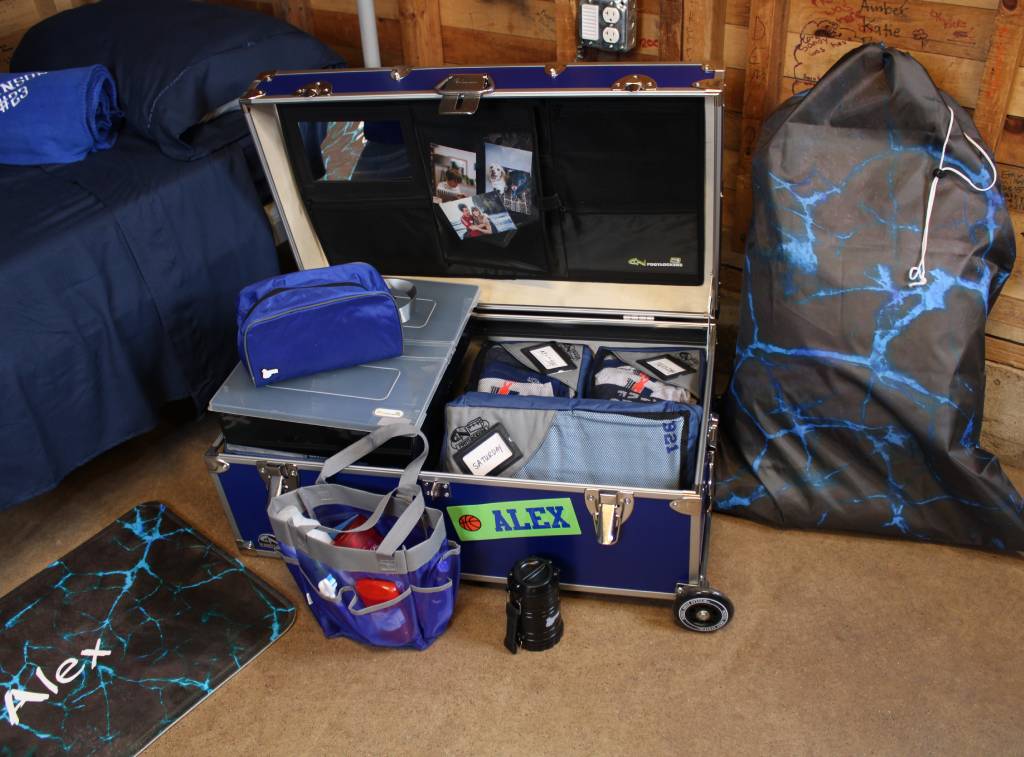
Let’s start with structure. Traditional camp trunks—especially our steel-clad C&N Footlockers—offer a solid, rectangular shape that keeps everything neatly contained. Clothes stay folded, toiletries stand upright, and gear doesn’t collapse into a heap by day two. The hard exterior also doubles as a seat, nightstand, or mini table inside the cabin.

In contrast, duffels—especially soft or collapsible ones—trade rigidity for flexibility. They can expand when overstuffed, squeeze under bunks, and fold flat when empty, saving tons of space on the trip home. They’re a favorite for campers who like a lighter, looser system and for families who don’t want to haul home a bulky box when camp’s over.

When it comes to portability, duffels take the win. Trunks are built tough but can be heavy and awkward to maneuver through airports or campgrounds, even with wheels. Duffel bags, on the other hand, are made to move. They’re lightweight, come with padded shoulder straps or grab handles, and are much easier for campers to lift on their own. For families who drive or fly to their destination, that ease of mobility can be a game-changer.

Then there’s packing style—and this is where personal preference really kicks in. Trunks make for tidy, organized packing. Everything has a place, and campers can open the lid to see all their packed items at a glance. Duffel bags, however, are a bit more “grab and go.” They’re ideal for campers who prefer to stuff, zip, and move rather than carefully layer. Some parents even pack duffels inside trunks for the best of both worlds: structure on the outside, flexibility within.

Most camps still recommend trunks because they hold up to years of use and provide that classic look and function. But duffels have carved out a strong niche—especially the new generation of soft trunks, like our C&N Pop-Up Soft Trunk. These hybrids combine the structure of a trunk with the portability of a duffel, giving you the best of both worlds.

So, soft trunk vs. hard trunk? The answer comes down to how your camper camps. If durability and tradition win the day, go with a trunk. If flexibility, travel ease, and modern convenience sound more like your style—a soft trunk might just be the perfect fit for your camper’s base camp setup.


Travel Duffel vs. Wheeled Duffel: Which Will Travel Best to Camp?

Whether it rolls or carries, every duffel has its place at camp—but they do it in very different ways. The right choice depends on your camper’s age, their camp’s setup, and how much they need to haul.

A standard duffel is lightweight, flexible, and easy to stash anywhere. It fits under bunks, slides into car trunks, and can be carried over the shoulder or by hand. This makes it perfect for camps where kids need to carry their own load or navigate dirt paths, cabins, and stairs—places where wheels just don’t roll well. Duffels are also easier to compress and store when your child returns home, folding down small until the next big trip.

A camper wheels his soft trunk across the camp trail.

On the other hand, a wheeled duffel brings serious convenience when heavy packing is unavoidable. The rolling design takes the weight off your camper’s shoulders, letting them move bulky loads—like sleeping bags, bedding, and gear—without breaking a sweat. A duffel on wheels works best for drop-off situations where campers can roll right up to their cabin or for longer stays that require larger loads.

Durability and terrain are key. A rolling duffel with a rigid frame and oversized wheels handles paved campgrounds or smooth walkways beautifully. But when the path gets uneven or you’re covering real ground, a duffel built with backpacking DNA—lightweight, flexible, and balanced—keeps pace wherever camp life leads.

But for gravel, grass, or uneven ground, a traditional duffel still wins the mobility game. Some campers even prefer to pack both—a large rolling duffel for the bulk of their belongings and a smaller carry duffel for daily essentials.

In the end, it’s not about which is “better,” but which fits your camper’s camp life. If portability and flexibility matter most, stick with a strong duffel. If ease of transport tops the list, roll with a duffel that’s built for distance. Either way, your camper will be ready to move in with everything they need for adventure.


Organizational Features You’ll Definitely Use on the Go

When you’re standing in a chaotic cabin with twenty kids, towels hanging from bedposts, and sunscreen bottles rolling across the floor—a well-organized bag suddenly feels like the most genius invention ever. The best duffel bag features don’t just look impressive on a product page—they make life away from home smoother, faster, and far less stressful for your camper (and for you when it’s time to pack).

Start with zippered compartments—the unsung heroes of sanity. A duffel with at least one or two external pockets means your camper can stash small, frequently used items (like toothbrushes, flashlights, or bug spray) without digging through a mountain of clothes. Internal mesh dividers help separate clean and dirty laundry, and zippered end compartments are perfect for shoes or flip-flops—especially when they’re still damp or dusty from a hike.

Then there’s the holy grail of smart design: wet/dry sections. A good organized duffel keeps moisture from spreading, which means no more damp T-shirts turning into science experiments by midweek. These sections are usually lined with waterproof or quick-dry material, great for containing swimsuits, wet towels, or soap containers that never quite seal properly.

Don’t overlook the bottom panel either. A reinforced or waterproof base makes a huge difference when your camper sets their bag down on a wet deck or muddy ground. This small feature alone can be the difference between gear that stays dry and a backpack full of mildew.

For portability, look for multiple carry options—especially padded shoulder straps or even convertible straps to wear backpack-style. These help smaller campers manage the load without dragging their bag behind them. Duffels with removable straps also pack easier into trunks or car spaces.

If you’re leveling up your organization game, packing cubes and mesh organizers are absolute gold. They let you pre-sort clothing by day or category—underwear in one, swimwear in another—and your camper won’t have to rummage through chaos to find what they need.

And finally, if your camper’s duffel tends to carry everything but the kitchen sink, a model with wheels and a telescoping handle can save a lot of back strain. Trunk-sized duffels like the C&N Pop-Up Soft Trunk nail this balance, giving structure, space, and mobility in one.

When it comes to summer packing, the best bag isn’t just big—it’s smart. A well-designed duffel keeps chaos contained and makes every trip to the bathhouse or cabin a little more manageable.


The Best Waterproof Duffel for Serious Campers

No two campers are built alike—and neither are their duffel bags. The best duffel for kids isn’t the same one a seasoned teen camper or sporty all-star needs. When you match the bag to the camper, you’re setting them up for smoother mornings, easier unpacking, and a whole lot less “Mom, I can’t find my towel!” energy. A well-chosen duffel doesn’t just carry their stuff—it shapes their daily rhythm, helping them stay organized, independent, and confident. Let’s break it down by camper type.

For First-Time Campers:
Simplicity wins. A bag for overnight camp should be straightforward—roomy, sturdy, and easy to open wide. The High Sierra Drop Bottom Duffel or Under Armour Undeniable 5.0 are both excellent picks. These have large compartments for main items and a few spaces on the side for toiletries or dirty laundry. Avoid bags with too many zippers or hidden pouches; first-timers don’t need confusion, just easy organization. A bright color or a personalized name label also helps them spot their bag instantly in a pile. Parents often appreciate these simpler styles, too—they’re quick to pack and just as easy to check before departure.

For Seasoned Campers:
Veteran campers know the drill—they’re pros at packing tight, hauling gear, and staying organized. For them, durability and efficiency are everything. The Osprey Transporter Duffel or Deuter Aviant Duffel Pro are perfect examples: ultra-rugged fabrics, convertible backpack straps, and smart divisions within. They’ll hold up to multiple summers, wild weather, and the occasional drop from a bus roof without a single tear. For these campers, a good duffel becomes a trusted companion that’s earned its scuffs and stories year after year.

For Athletic Campers:
Sports-focused campers need duffel bags that can handle sweat, grime, and constant movement. Think quick-access compartments, breathable panels, and water-resistant fabrics. Under Armour has this category on lock. The Undeniable 5.0 Large Duffel is practically a locker room on wheels, built for gym gear, cleats, and uniforms. It’s also sleek enough to double as a weekend sports bag during the off-season. Athletic duffels tend to smell the part, too—so look for ventilated compartments that keep sweaty clothes separated from the clean ones.

For Minimalist Packers:
Some campers just pack light and live easy. A compact, flexible item like the Marmot Long Hauler or a smaller High Sierra Duffel fits perfectly under bunks and carries everything without extra bulk. These are also great for shorter sessions or travel-light families who prefer efficiency over excess.

For Teen Campers:
Teenagers heading to multi-week camps or long programs need a blend of space and personality. The C&N Pop-Up Soft Trunk fits this niche beautifully—it’s got the structure of a trunk, the mobility of a duffel, and tons of color choices for self-expression. It’s durable enough to survive teen-level wear and tear but stylish enough to look cool doing it. Many teens also appreciate the hybrid design—it stands tall when open, so they can live straight from it like a mini dresser instead of digging through piles of clothes.

In short, the best waterproof duffel for teen campers or first-timers isn’t just about size—it’s about fit. The right duffel bag matches their needs, their habits, and even their style. Because when campers love their gear, they take better care of it—and that’s a win for everyone.


Why the Pop-Up Wins: A True Upgrade from Traditional Bags

After all the research, reviews, and real-world testing, the truth is clear: the C&N Pop-Up Soft Trunk doesn’t just compete—it wins. Built by the same craftsmen behind our legendary steel trunks, this hybrid duffel has earned its reputation as the go-to gear for serious campers and smart parents alike. It’s tough where it counts, simple where it should be, and clever in all the right ways.

We didn’t just design the Pop-Up in a vacuum—we put it through the wringer. From humid East Coast camps to dusty mountain trails out West, this bag has logged countless miles and endured every kind of crazy chaos imaginable. Counselors drag it. Parents overpack it. And yet, year after year, it comes back ready for more and more and more. The Pop-Up isn’t just built for summer; it’s built for summers.

Here’s how it stacks up where others fall short:

Durability: Made from thick, water-repellent 600D nylon, reinforced with double stitching and heavy-duty hardware. This bag shrugs off bumps, rain, and rough camp life without a whimper. It’s not a “one-summer wonder”—it’s built to take a beating and come back asking for more.

Structure: Stands upright and open for easy packing—no more wrestling a slouchy bag that collapses mid-pack. The rectangular design mirrors a hard trunk, giving campers a full view of their gear and helping them keep things tidy even in shared cabin chaos.

Storage: Upon returning home, simply collapse and fold it flat. Unlike rigid trunks or bulky suitcases, the Pop-Up slides under beds, into closets, or even between luggage stacks with zero fuss. Parents love how it disappears until the next adventure.

Camp-Approved Size: Designed specifically to meet most packing list dimensions, meaning it fits perfectly under bunks and inside cabins—no awkward bulk or overstuffed seams. It’s literally made for the summer experience, not just adapted to it.

Personalization: Choose from bold colors, custom nameplates, and fun accessories like the Wheel Away System, LidMate Organizer, or LidLight. It’s not just practical—it’s uniquely theirs. When your camper sees their name on that bright, sturdy bag, camp feels real.

Longevity: Built to last for years, not a single season. Campers often bring their Pop-Up back summer after summer—or repurpose it for travel, dorms, or family trips. It grows with them, proving that quality gear never goes out of style.

Ease of Use: Two-way zippers, padded handles, and lightweight construction make it simple for campers of all ages to handle—no dragging, tipping, or grunting required. It’s independence, built in a bag.


At EverythingSummerCamp.com, we design with one thing in mind: cabin life. That means messy bunks, long bus rides, unpredictable weather, and kids who are learning to handle things on their own. Every Pop-Up Soft Trunk is a product of decades of insight from parents, directors, and campers themselves—built to solve real-world problems, not just look good in photos.

And maybe that’s the difference. This isn’t duffel bag luggage designed for airports and hotel lobbies—it’s gear built for dirt paths, cabin floors, and bunk-bed storage. It’s the heartbeat of a summer spent outdoors, a reminder that independence starts with carrying your own bag. The Pop-Up represents the confidence that comes with preparedness—the quiet sense of “I’ve got this.”

The Pop-Up Soft Trunk becomes your camper’s base camp while away—a dependable hub for everything they need to feel ready, confident, and at home anywhere they go.

So if you’re searching for the best duffel bag, stop here. You’ve found it.

Shop the Pop-Up Soft Trunk — The Best Duffel for your Summer Session

Posted in | Leave a comment

Your Child’s Portable Shower Caddy for Summer Camp

Posted on

Your Camper’s Edge? A Plastic Shower Caddy That Delivers

Once upon a time, bathroom caddies were little more than wire baskets clinging to the showerhead—useful, but anything but inspiring. Today, they’ve evolved into something far more intentional. Modern totes for trips to the bathhouse don’t just corral shampoo bottles; they organize camp chaos, add personality, and make life easier whether you’re at home or deep in camp territory.

A shower caddy portable enough for camp travel is a game changer for busy kids—light to carry, quick to dry, and built for the trek. At summer camp, these clever organizers are nothing short of survival gear. In a shared shower house or crowded cabin, a sturdy tote keeps kids’ toiletries neat, visible, and portable.

For younger campers, a plastic shower caddy often works best—it’s sturdy, simple, and easy to rinse clean after every trip.

A filled, rigid plastic shower caddy

It helps campers stay on schedule during early-morning rushes and gives parents peace of mind knowing their child’s essentials won’t end up lost under a bunk. What used to be a basic plastic basket is now a lightweight, quick-dry command center that carries a little bit of home comfort wherever camp life takes you.

Functionally, bath carriers keep spaces organized and essentials within easy reach—but style is where they’ve truly leveled up. From sleek stainless steel for modern bathrooms to bright quick-drying totes that stand out in line for camp showers, there’s a caddy for every personality and purpose.

In this post, we’ll explore the best materials and finishes for long-lasting appeal, how to match designs to your camper’s setup or your own bathroom, and the top trends shaping 2025’s most popular looks. By the end, you’ll see that this humble piece of storage isn’t just a necessity—it’s a style statement that works as hard at summer camp as it does back home.


Why a Shower Caddy Matters More Than You Think

It’s easy to overlook a wash tote—until you’re juggling bottles mid-shampoo or realizing your soap has vanished into someone else’s bucket. A good bath tote isn’t just about convenience; it’s the backbone of a clean, organized camp routine. It keeps your camper’s essentials right where they belong and prevents the morning rush from turning into a scavenger hunt.

Order in such a small space translates to peace of mind—for campers and parents alike. For kids, it means confidence and independence: everything they need is in one portable, easy-to-carry container. For parents, it means fewer frantic packing calls and fewer lost toiletries by midweek.

For parents sending their child to camp for the first time, a bathroom organizer is one of those small investments that makes a huge difference. It teaches responsibility in a way that’s both practical and empowering—helping kids take ownership of their hygiene routine while keeping them organized in a shared space. It’s a subtle but powerful confidence builder that helps the camp experience start off on the right foot.

It’s one of those subtle upgrades that instantly makes daily camp life feel smoother and more intentional.

A well-designed bathroom organizer for camp also plays a crucial role in hygiene. By keeping bottles and bars elevated, it prevents grime, mildew, and soap scum from building up inside shared shower stalls. Airflow keeps things dry, which means fewer smells, fewer germs, and less cleanup at the end of the session. Quick-drain designs and breathable mesh make a world of difference in the humid camp environment.

And when camp season ends, that same caddy earns a second life at home—ideal for dorms, travel, or organizing the family bathroom.

So while it might seem like a small item on the packing list, a wash tote quietly shapes the rhythm of camp life. It’s a compact tool with an outsized impact—proof that smart design can make even the simplest routines a little easier and a lot more stylish.


Essentials Mesh Caddy: Built for Camp Life

At summer camp, the best toiletry tote isn’t about matching bathroom décor—it’s about holding up to humidity, staying clean, and surviving a summer’s worth of rough use. That doesn’t mean it can’t look great doing it. Today’s camp shower bags come in a range of materials and styles that blend practicality with personality.

Shower caddy with camper essentials for bathhouse trips.

Our Essentials Mesh organizers hit that sweet spot between structure and flexibility—sturdy enough to hold up all session, yet airy enough to dry fast.

A ventilated shower bag is the runaway favorite for camp life. It’s ultra-lightweight, breathable, and designed to drain water instantly, so nothing stays soggy. See-through fabric also lets campers see everything inside at a glance—no more digging for that last bottle of body wash.

A mesh shower caddy is the go-to pick for humid cabins where airflow and quick drainage make all the difference. Our Cabin Comfort and Top Trenz storing products, for instance, balance fun colors with function, perfect for campers who want both flair and fast-dry performance.

Quick-drain organizers take durability to another level. These sturdy bins stand on their own, making them easy to load and rinse after every shower. Models like the Quick Dry 9-Pocket organizer feature divided compartments that keep toothbrushes, soaps, and shampoos neatly separated while letting excess water flow away.

For those who prefer something more contained, fabric or nylon toiletry kits are a smart alternative. They’re compact, zip up securely, and often include interior pockets for items that don’t belong in the shower—think hairbrushes, deodorant, or a travel-size first-aid kit. Some even hang from hooks or towel bars for easy access.

The right material ought to handle moisture, stay light in a camper’s hands, and still show off a little style.

It’s practical, personal, and built for the great adventure that starts in the bathhouse.

And let’s not forget color and personalization. Campers love choosing bright shades or adding a name embroidery to make their gear unmistakably theirs.


The Right Shower Basket for YOUR Kid

Every camper has their own rhythm and routine — and the best toiletry tote matches both. From first-timers learning the ropes to seasoned pros who’ve perfected their camp gear setup, there’s an organizer for everyone. For first-time campers: simplicity rules. A lightweight, Quick Dry 9-Pocket Shower Caddy keeps everything visible and organized so nothing gets left behind in the bathhouse.

Some campers prefer a rigid shower basket for bottles that need to stay upright—a perfect match for structured packers. The divided pockets make it easy for kids to separate soap from shampoo, and the quick-drain aerated fabric dries fast on the cabin porch rail. It’s durable, colorful, and affordable — the ultimate beginner’s companion.

These options handle heavier loads and tuck neatly into a trunk or duffel between uses. They’re ideal for kids who already know their way around the camp schedule and want a quick grab-and-go routine.

For style-conscious campers or teens: personality takes center stage. Options like the bathroom tote from Top Trenz or Caboodles® On-the-Go Girl Case blend color and flair with serious organizing power. With fun prints, glossy finishes, and sturdy handles, they look great on the counter or hanging from a cabin hook — form meets function, perfectly.

For counselors and older campers: compact toiletry kits like the Osprey® Ultralight Zip Organizer or Deuter Wash Center Lite offer a more refined setup. These travel-grade designs keep grooming gear protected during weekend trips or outdoor overnights while maintaining that pro-level polish.

Whatever the camper’s age or experience, the right caddy keeps mornings smooth and shower time stress-free — proof that staying organized can look just as good as it feels.


Style Tips to Keep Your Caddy Camp-Ready

A bathroom tote might be built for storing toiletries, but at camp, it’s also an expression of your camper’s personality. The best setups don’t just keep things tidy—they make the daily shower routine easier, faster, and maybe even a little fun. Treat it less like a bin of toiletries and more like a piece of gear that reflects your camper’s unique style.

A caddy portable enough for any setup gives campers flexibility and independence on the go.

Start by choosing colors that stand out. With dozens of kids using the same bathhouse, a bold or personalized wash tote makes it easy to spot your camper’s belongings at a glance. Everything Summer Camp’s Quick Dry 9-Pocket Shower Caddy and our option from Top Trenz come in bright shades and patterns that pop among plain gear. Add a name embroidery or label, and you’ve got a one-of-a-kind piece that never gets mixed up.

Next, focus on smart organizing. Encourage your camper to group supplies by use—body wash in one pocket, toothbrush and paste in another. The goal is to make packing and carrying effortless. Remind them to leave one pocket empty for quick toss-ins after showers; it helps things dry faster and prevents mildew from forming.

Accessorize with practicality in mind. A small washcloth or camp towel rolled inside the tote keeps everything compact, and refillable bottles help cut down on bulk.

Pairing it with a matching toiletry bag helps separate dry items like deodorant or brushes from wet gear. For younger campers, fun extras like color-coordinated travel bottles or small screen pouches make orderliness feel more like personalization.

Finally, remember—style at camp is all about confidence. When a camper feels organized, they feel capable. And a tidy, personalized bathroom organizer sets the tone for every day’s routine—proof that practical gear can look just as cool as it performs.


Keeping Your Shower Caddy Fresh and Functional

A good bathroom organizer can last for years of camp adventures—as long as it’s cared for. Between humidity, dirt paths, and constant trips to the bathhouse, your camper’s tote takes more abuse than most gear. The trick is quick, consistent upkeep that keeps it fresh, dry, and ready for the next use.

Most portable shower caddies only need a simple rinse and shake to stay fresh all season long.

Quick Dry 7-Pocket Shower Caddy

Rule number one: rinse and dry often. Encourage your camper to give their tote a fast rinse every few days to wash away soap residue and sand. Open weave models can simply be sprayed down and hung to dry on the porch rail or cabin hook.

That breathable mesh shower material dries within minutes—no mildew, no smell. Plastic versions wipe clean with a damp cloth and dry towel. The goal is to keep moisture from lingering, since damp gear leads to odor and mildew faster than you’d expect in summer heat.

Avoid buildup before it starts. Remind campers to empty bottles fully before repacking and to shake out excess water after every shower. If the organizer has a solid base, a quick tilt or shake removes pooled water instantly.

A small ventilation spot in the cabin—under a fan or near a window—does wonders for airflow.

Mid-session refresh: halfway through camp, take five minutes to reorganize and toss the empties. It’s amazing how much lighter and cleaner the setup feels after a mini reset.

At summer’s end, wash and store your wash tote like any other piece of gear. A quick soak in warm, soapy water and a full air-dry ensures it’s ready for next year’s adventures. A little care goes a long way toward keeping that camp-tested wash tote looking—and smelling—brand new.


Simple Gear, Big Impact: Camp to College Life

In the end, a bathroom carryall might seem like a small thing—but it’s often the smallest pieces of gear that make the biggest difference. The right one doesn’t just hold your essentials; it keeps your world in order, whether that world is a cabin, a dorm, or your own bathroom back home. It’s where practicality meets a touch of personality, turning routine into rhythm.

At camp, a bathroom organizer is an unsung hero. It keeps everything your camper needs—soap, body wash, toothbrush, towel—organized and ready for the daily dash to the bathhouse. For kids learning independence, it’s more than a container; it’s a tool that helps them feel capable, responsible, and self-sufficient in a brand-new environment.

Back home, that same tote continues to prove its worth—transitioning from cabin life to college life, gym use, or travel organization without missing a beat.

You’ll see similar options at big-box stores and trendy retailers like Urban Outfitters, but Everything Summer Camp’s gear is made for real-world wear and tear—built to last through years of camp and schooling alike. In dorms, a tote students can carry down the hall becomes just as indispensable as it was at camp. The same features that make it camp-ready—lightweight mesh, quick-dry construction, and easy portability—make it perfect for a communal dorm showers and apartment living.

Whether it’s the first dorm shower or another summer in the cabin, the right design keeps things simple and sanitary. It’s gear that grows up right alongside your camper.

Girl brushes her teeth in the bathhouse at summer camp.

Don’t overlook the humble bath tote when you're packing. It’s a simple piece of gear that keeps routines smooth, spirits high, and mornings on track. Because great design doesn’t shout—it supports. And whether it’s summer camp or campus life, the right support makes all the difference. 

So before you close that shopping tab, make sure your camper’s caddy checks all the boxes for durability, portability, and camp-tested quality.


Posted in | Leave a comment

Is a Camp Trunk the Right Choice for Your Camp Stay?

Posted on

What matters so much about a camp trunk?

Why a Camp Trunk Matters More Than You Think

Sending your child to summer camp is a proud milestone—one filled with excitement, a little worry, and a whole lot of packing. Before your camper heads off for a season of adventure, one important question stands in your way: what will hold all their stuff?

Campers bring clothes, bedding, toiletries, essential gear, and personal treasures. All of it needs a home base that keeps it protected, organized, and easy to manage. For many families, the answer is a camp trunk—a rugged footlocker built to survive the chaos of camp life.

But is a camp trunk right for your child’s summer stay? Let’s break it down.


Why Camp Trunks Are a Trusted Classic

Camp trunks have been around for generations—and for good reason. They're built to handle rough treatment, unpredictable weather, and the wear and tear of daily camp life. Unlike duffel bags or rolling suitcases, trunks offer structure and protection, keeping your camper’s belongings safe and organized.

In fact, summer camp experts Dr. Christopher Thurber and Dr. Jon Malinowski name-drop our trunks specifically in The Summer Camp Handbook, saying, “The trunks we like best come with a lifetime guarantee and are manufactured in Wisconsin by C&N Footlockers and sold by EverythingSummerCamp.com.”

When the pros agree—and when more camps recommend C&N than any other brand—you know you're looking at a time-tested piece of camp gear.


First Things First: Does Your Camp Allow Steel Trunks?

Check and make sure about trunk height restrictions at your camp.

Before you get your heart set on a trunk, check your camp’s packing guidelines. Every camp has its own rules when it comes to luggage. Some require hard trunks to keep cabins neat and organized. Others prohibit them to save space.

You’ll typically find packing policies in:

  • Welcome packets
  • Parent handbooks
  • Camp FAQs
  • Emails from camp staff


Some camps even specify trunk dimensions or require removable wheels to avoid damage in transit. If you’re unsure, call the camp office—better safe than sorry!

And keep in mind—camps update their policies from year to year. Just because last summer allowed trunks doesn’t guarantee this summer will too. Be proactive and confirm the most current guidelines before making your purchase.

Wheel Your Way to Camp with a Trunk Rover

Camper wheeling her trunk across the campgrounds.

A trunk might be perfect for your camper’s bunk, but the road there matters. How your child travels plays a huge role in what container makes the most sense for their stuff.

  • By Plane: Trunks aren’t ideal for flying. Airlines often charge oversized baggage fees, and their size comes dangerously close to airline luggage limits. Trunks don’t exactly glide through the baggage claim either.
  • By Bus: If your camper is traveling by coach bus, turning their camp footlocker into a rolling trunk rover with our wheel system can make loading and unloading much more convenient.
  • By Car: Driving your child to camp? This is where trunks shine. Load them in the car, drive to camp, and carry (or roll) them to the cabin. Easy.

**Don’t forget** Campgrounds aren’t always paved. The walk to the cabin might mean mud, gravel, or uneven trails. A tough trunk won’t fall apart on the way.

Also think about who will be moving the trunk. If your camper is young or small, a heavy trunk might be a burden. Wheels or team-carry handles can make a big difference in keeping arrival day smooth and positive.


Teaching Responsibility, One Trunk at a Time

Camp isn’t just about fun—it’s about growth. Camp trunks help campers learn responsibility by giving them a personal space to organize, protect, and care for their belongings.

Instead of rummaging through an overflowing duffel, your child will have compartments, trays, and lid organizers to keep their cabin life in order. That little bit of structure goes a long way toward building independence and confidence.

And for parents? It’s peace of mind. Knowing your child’s belongings are secured in a solid, lockable trunk makes packing and drop-off much easier.

Camp Trunks: Built for the Camp Life—and Beyond

A good camp trunk is more than just luggage. It’s a home base for your child’s gear, their quiet corner for organization, and sometimes their seat, table, or step stool.

C&N Trunks can hold plenty of weight on top!

C&N camp trunks are built from cabinet-grade birch plywood and armored in steel—a serious step up from plastic bins and cheap duffels. They’re built by hand in Wisconsin and backed by a Lifetime Warranty.

These trunks can:

  • Hold up to 1,800 pounds of pressure
  • Double as a table, bench, or step stool
  • Slide under most camp bunks
  • Survive year after year of rugged camp life

And the best part? These trunks don’t quit when summer ends. They become keepsakes—personal spaces where kids store memories along with their gear and other camp stuff.

Finding Space for Trunks at Home: Don’t Overlook It

Camp only lasts a few weeks, but your trunk is coming home when it’s over. Do you have a spot for it?

Many campers use their trunks year-round as bedroom storage, toy chests, or display pieces covered in camp stickers and memories. Some even take them off to college as a storage trunk or coffee table. But if your home is tight on space, consider a soft-sided trunk like the C&N Pop Up Soft Trunk. It folds flat when not in use but still holds your camper’s full packing list.

And remember—kids grow fast. Today's summer camp trunk could become tomorrow’s dorm room organization or even the moving trunk they take to their first apartment. A well-built trunk grows with your child’s journey.


Hard Trunk vs. Soft Trunk: Which Is Best?

  • Hard Trunks (C&N Footlockers): Built tough with steel and plywood. Best for long stays, rough cabins, and campers who want structure and protection.
  • Pop Up Soft Trunks: Flexible, lightweight, and collapsible. Great for camps that require soft luggage, flights, or families with limited extra space.

Soft trunks won’t double as furniture or last a lifetime, but they’re easy to carry and store. Pick the one that fits your camper’s needs—and your available space.

No matter your choice, the goal stays the same: equip your camper with a packing solution that works for camp life and beyond.

What Size Trunk for Summer Camp?

C&N Camp Trunk size comparison

From left to right: the UnderGrad (bottom left), the Happy Camper (bottom right), and the Graduate (back center).

C&N trunks come in several sizes to match your camper’s needs:

  • Happy Camper: Our most popular size. Perfect for most one or two-week camp sessions.
  • UnderGrad: A little bigger. Ideal for longer stays or campers who like to bring extra gear.
  • Graduate: Our biggest trunk. Built for three weeks or more—or for those campers who pack like pros.

If you’re ready to buy, C&N Camp Trunks come in several sizes to match your camper’s needs. Not sure what size fits best? Search our website for sizing details or reach out; our team is always happy to help.

And don't forget—growth spurts happen. Choosing a slightly larger trunk now might save you from needing to upgrade next summer.

Accessories That Make Camp Life Easier

The trunk is just the beginning. C&N accessories turn it into a full camp command center:

These add-ons are essential to helping kids stay organized, prepared, and ready for whatever camp throws their way.

Your Search for the Right Camp Trunk Ends Here

If your camp allows it and your camper’s travel plans make sense for it, a camp trunk is one of the best investments you can make. It’s practical, protective, and built to last for years of camp memories.

But it’s not for everyone. If your camper is flying, if your camp prohibits trunks, or if your home doesn’t have space for off-season stowaway, a soft trunk or duffel may be a smarter fit.

No matter what you choose, the goal is simple: give your camper a container that makes camp life easier, keeps their belongings safe, and helps them feel at home—even when they’re miles away.


Campers on a camp dock with trunk and duffels in tow!

Ready to Pack?

Explore our full lineup of C&N Camp Trunks and soft-sided alternatives. Whether you need the durability of steel or the flexibility of fabric, Everything Summer Camp has you covered.

Buy once and use it for years! Our footlockers are built for summers to come, for seasons upon seasons.

And if you’re still unsure, don’t hesitate to reach out. Our team is made up of former campers, parents, and gear experts who love helping families find the perfect fit. We’re here to make your summer prep smooth, stress-free, and—most importantly—fun.

Happy Camping!


Posted in | Leave a comment