Shopping Cart

Make Visiting Day at Summer Camp a Victory

Posted on


Hey, Camp Families!

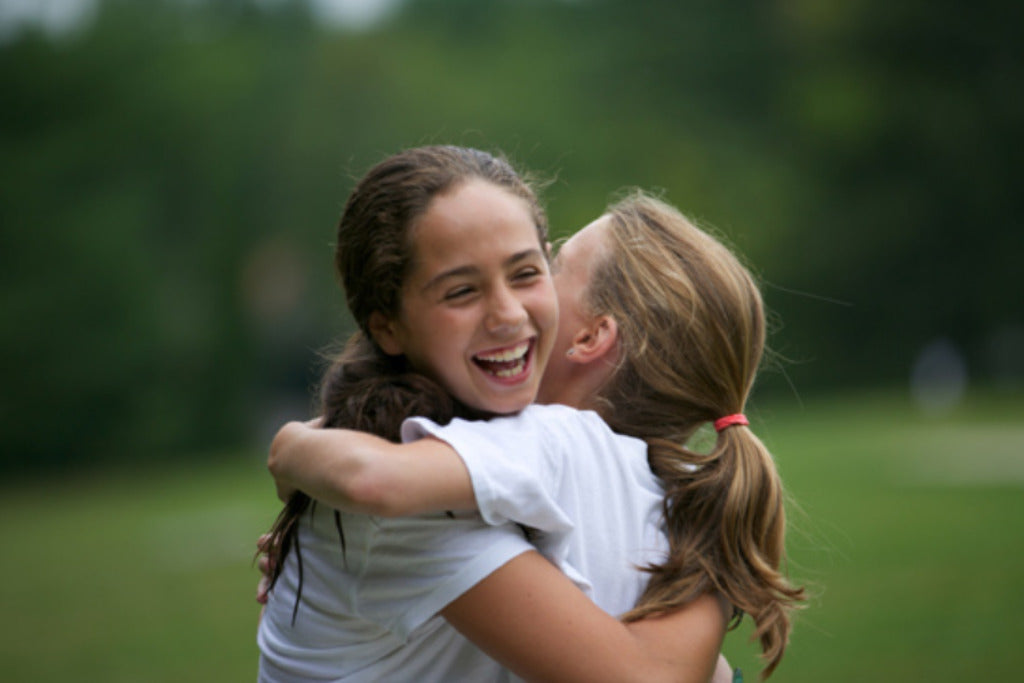
Visiting Day is among the most emotional experiences at camp for both campers and parents. It's important to have some idea of what’s to be unexpected. As summer camp experts and authors of ‘The Summer Camp Handbook’ Dr. Chris Thurber and Dr. Jon Malinowski suggest, Visiting Day is the flip side of homesickness—it's a summer camp reunion filled with intense emotions. That's why I'm here to offer some tips and insights to help you make the most of this special day in the camp calendar!

First things first, mark your calendar and make sure you visit camp according to camp visitation guidelines, on the designated Visiting Day. Unexpected visits can disrupt the campers' sense of independence and even provoke homesickness. If you have any doubts about the appropriateness of your visit, don't hesitate to reach out to the camp director and get the green light.


The Varied Campers’ Reactions on Visiting Day

During Visiting Day, you may encounter a range of behaviors from your child, each expressing their unique camp experience. Let's explore a few examples:

The Fountain of Youth

These campers are bursting with excitement and want to share every detail of their camp adventures with you. From whirlwind tours to rapid-fire stories, they can't wait to show you how much fun they had. Embrace their enthusiasm and join them on this joyful journey!

The Poker Face

While these campers may seem reserved, it doesn't mean they didn't have a great time. Poker Face kids often find it difficult to say goodbye to new friends and the camp experience, leading to a quieter demeanor. Give them time, and they'll open up about their camp memories.

The Tearful Camper

Visiting Day can evoke strong emotions, and some campers may shed a few tears as they bid farewell to their summer home. It's a testament to the power of the overnight camp experience. Respect their feelings, ask if they prefer a quick departure or a longer goodbye, and offer support as they navigate their emotions.

The Sensationalist

These campers love to share their most dramatic camp stories, whether it's a thrilling adventure or a comical mishap. Listen attentively, knowing that all campers have a mix of positive and negative experiences. Get the full picture by encouraging them to share a balanced account of their camp journey.

Tips for Visiting Day at Summer Camp

Now that you're aware of the different reactions you might encounter, let's discuss some practical tips to make your visit to summer camp a successful one!

Be Punctual

Stick to your promised arrival time. Your child will be eagerly anticipating your visit; Arriving on time ensures that you don't disrupt their camp activities or keep them waiting anxiously.

Take a Tour

Your child will love to show you around camp. Supporting campers on Visiting Day is important. Let them lead the way and proudly showcase their favorite spots and activities. Remember, this is their time to shine, so keep any critical comments to yourself and focus on celebrating their achievements.

Keep an Open Mind

If you have questions or concerns about certain aspects of camp, approach the topic with curiosity and seek explanations before passing judgment. Acknowledge and praise your child's accomplishments.

Share Sad News in Person

If there's any sad news to share, such as the loss of a pet, it's best to deliver it in person. Being there to provide comfort and support during difficult times is crucial for your child. Break the news early on Visiting Day to allow ample time for conversation and to address any concerns or emotions that may arise.

Arrange Alternatives if you can't Attend

In the event that you can't attend Visiting Day, it's important to communicate with your child well in advance. While they may be disappointed, make alternative arrangements for them to enjoy the day with a friend's family. This way, they can still partake in the Visiting Day experience and create lasting memories with their camp community.


Remember, Visiting Day can be an emotional time for both campers and parents. You may feel compelled to offer your child a ride home, but resist it. Encourage their continued camp experience and reassure them that you'll see each other again soon. This builds their resilience and allows them to fully immerse themselves in the camp environment.

For further insights and guidance on Visiting Day and other aspects of summer camp, consider picking up a copy of 'The Summer Camp Handbook' by Chris Thurber and Jon Malinowski. Their expertise and advice will help you navigate the camp experience with confidence and make the most of your time together.

Embrace the surprises, cherish the connections, and celebrate the growth and joy that summer camp brings. And remember, your child's journey at camp is a victory in itself. Thanks for reading, and happy Visiting Day!


- John


Look into grabbing 'The Summer Camp Handbook' for yourself right here!


Tips and Tricks to Making Friends at Summer Camp

Posted on

Hey, Friendly Campers!

Summer camp is an incredible opportunity for kids to forge lasting friendships and create unforgettable memories. For some, making new friends can feel a little daunting, but fear not! Here are just a few tips and tricks to help your child achieve friendships at camp with ease.

Great Ways to Start Making Friends

From confident introductions to engaging icebreaker games and memory-boosting techniques, these strategies will empower your child to build meaningful connections and embrace the full camp experience.

The Power of Introductions

Introductions are a great way to show everyone at summer camp that you’re a nice person and looking forward to knowing them all better. Teach your child to introduce themselves by sharing their name and then ask their new acquaintance for theirs. A confident introduction conveys friendliness and establishes a positive first impression.

From there, your kid should show some interest in getting to know them. Coach your child to ask open-ended questions to spark conversation, such as, "How did you discover this camp?" or "Is this your first year here?" These initial questions show genuine interest and pave the way for meaningful connections to form.

Remembering All the New Names

Remembering names can be a challenge, but little tricks can come to the rescue to make playing the ‘name game’ much easier. Campers find it helpful to come up with a crazy sentence that uses the first letter of each person’s name. For example, if their cabin mates are Pat, Robin, Chris, Francis, and Bo, they can use the sentence "Pink Rabbits Can Fly Busses."

This playful technique is called a mnemonic device (pronounced new-mon-ick) and can be used to help solidify names in their memory, making interactions more personal and fostering a sense of belonging. Encourage your child to use these memory tools during conversations, addressing their cabin mates by name. It shows attentiveness and helps strengthen the bond among campers.

There are tons more great tips like this one for campers and parents alike in 'The Summer Camp Handbook,' a guidebook for all parts of your summer camp preparation. Check it out when you click right here.


Icebreakers—Fun Games to Break Down Barriers

Icebreaker games are fantastic tools to create laughter and camaraderie among campers. Have your child pick out a game or two to bring along for a fun activity, such as icebreaker questions or charades. These games provide an enjoyable platform for campers to get to know each other better, share interesting facts, and find common ground.

Personalized gear like our C&N Designer Trunks, a cool and colorful Personalized Bunk Floor Mat, or a plethora of other personalizable gear can serve as an excellent icebreaker as well. Something this cool can work as an instant conversation-starter that helps campers find common interests and forge connections from the start.


Making friends at summer camp is an essential part of the experience. The tips above are all ways to help your camper start making friends, but really, the experience of summer camp itself—eating together, trading stories, and sharing adventures establishes strong bonds. Make sure you send your camper off this summer with the tools to build beautiful friendships at camp. Thanks for reading and, as always, Happy Camping!


- John


Opening Day Success: A Guide to a Smooth Start at Summer Camp

Posted on

Attention, Campers and Parents!

Planning for summer camp is LOTS of work and it’s all about to pay off. Is your camper ready to embrace new friendships, plunge into exciting activities, and create memories to last a lifetime? All your effort for them to have an amazing summer camp experience culminates on Opening Day and it’s right around the corner now!  

But the journey isn't over just yet! Opening Day is filled with lots of tasks and activities to cross off the list so we've compiled six valuable tips to help you stay organized and ensure a successful Opening Day:


Make a Travel Plan

A little planning now will minimize problems later. Being hungry, late, or sleepy can quickly turn the excitement of opening day into stress. This is a happy day, so make a plan that allows for a snag or two. If problems do arise, don’t panic. Your positive attitude will help set the tone for your child’s experience. Here are a few ways to keep your trip smooth and stress-free:

Pad your Time

To truly make the most of opening day, it's highly recommended to add a couple of hours to your estimated travel time. By incorporating this buffer period, you'll be able to embark on a relaxed and leisurely trip, free from the pressures of rushing to reach your destination. This additional time ensures that even if unexpected delays arise, you'll still arrive at camp with plenty of time to spare.

Pressure-Free Travel

The beauty of padding your travel time is that it grants you the freedom to navigate any unforeseen obstacles with ease. Whether it's heavy traffic, road closures, or unexpected detours, you can approach these challenges without feeling rushed or stressed. Embrace the journey and enjoy the flexibility that comes with allowing ample time for a pressure-free trip to camp.

Quality Time Along the Way

Rather than viewing the trip as just Point A to Point B, consider it an opportunity to create lasting memories with your child. Take advantage of the extra hours by planning a stop at a scenic spot for a delicious lunch or an enjoyable picnic. Additionally, you can make a stop along the way to pick up any items you may have forgotten to pack.

Complete Registration

Registration is a way for the camp to ensure that everyone who is scheduled to arrive actually makes it. To ensure a smooth start to your camp experience, it's important to honor the designated registration time set by your camp. Punctuality is key. An early arrival will be just as unappreciated as a late one. There are a lot of little steps in the registration process:

Meet the Directors

Directors oversee the camp's operations and create an enriching environment. Introduce yourself and your child. This interaction helps set the foundation for a positive time at camp. Ask any questions you have and express any concerns. They’re there to ensure the well-being and happiness of all campers.

Settle Your Child's Account

Finalizing any outstanding payments ensures your financial obligations are met. By promptly addressing these matters, you contribute to the smooth functioning of the camp's administrative processes.

Cabin Assignment

This assignment plays a big part in your camper’s sense of community and belonging. Embrace the chance to meet your child's cabin mates—these connections could likely become lifelong friendships!

Talk to Medical Staff

Share relevant information about your child's health including allergies, medication requirements, or any pre-existing conditions so the medical team can provide the support your camper needs.

Move Your Child's Gear

Assisting your child in moving their belongings and helping them organize their space allows them to settle into their new living space and begin creating a sense of personal comfort and familiarity.

Meet Your Child's Leader

Make sure you cover the important issues with the cabin leader or group leader, but be aware of his or her responsibility to other families. You may have to wait your turn to have a decent talk, but it’s worth your while. If you cannot be there in person on opening day, you should still share as much helpful information as you can with the camp staff. The best way to do this is by writing a descriptive letter to the camp director.

Engage in Conversation

Your child’s cabin, bunk, tent, group, or unit may have more than one leader, but make sure you meet at least one of them. Ask about their camping experience, where they are in school, how their summer has been going, and where they live. You should leave camp with a good sense of who is caring for your child.

Share Important Information about your Camper

Communicate any physical, behavioral, or emotional concerns you have about your child and tell the staff how you usually deal with these issues.

Recent Life Events that may be Relevant

You may want to mention exceptional family circumstances, such as a recent divorce, loss of a loved one or pet, or a traumatic academic, social, or athletic event. Personal details aren’t necessary, but a basic understanding of what has been happening in your child’s life can put their emotions and behaviors in perspective for the camp staff. 

Address Medical, Behavioral, and Emotional Concerns

You might still want to say hello to the health center staff whether your child has medical, behavioral, or emotional issues or not. These are the folks who will care for your camper in the unlikely event of an emergency.

Meeting your Child’s Needs

Together, you and the camp director and the medical staff can decide how the whole camp staff can best meet your child’s needs. Perhaps you’ll decide that not every staff person in camp needs to know your child’s special concerns.

Prescription Medications

Ensure that the medical staff is aware of any prescription medications, which should be provided in their original bottles with clear dosage instructions.


Trusting the Staff

Some parents and children hesitate to share information about medical, emotional, or behavioral concerns. They may feel that the information is too personal or they worry about confidentiality. Trust that the camp staff will handle sensitive matters with discretion and confidentiality.

Allocate Spending Money

When it comes to sending your child to camp, one important consideration is the allocation of spending money. Many camps have policies discouraging campers from carrying cash for security reasons. Instead, they may request that you set aside money for your child to use for camp store purchases, arts and crafts projects, or out-of-camp trips. Providing your child with spending money ensures they can participate in various camp activities and experiences.

How Much to Allocate

Some camps include spending money in the registration fees; others ask you to make a deposit when you register. If the camp does not publish a suggested amount in their information packet, ask the director how much spending money is adequate. You’ll get back whatever is leftover at the end of the session.

Camp Clothing = Camp Spirit

Purchasing camp apparel and other items on Opening Day fosters a sense of excitement for your camper. Whether it's a camp T-shirt, hoodie, or other camp-themed accessories, wearing these items signifies their involvement in the camp community and adds to the overall spirit and enthusiasm.

Saying Goodbye

Each child is unique in their preferences when it comes to saying goodbye. Some may prefer their parents to leave promptly after settling in while others may desire a bit more time together. It's essential to communicate and agree on an appropriate time frame before departing.

How to Say Goodbye

Decide on a farewell gesture that your child is comfortable with, such as a short walk, a hug and kiss, a high-five, or any other preferred method.

Stick to the Exit

Once you've said your goodbyes, make a clear and decisive departure. Lingering or returning unexpectedly can create anxiety about the actual departure. However, if your child requests a little more time, accommodate their needs and suggest a specific timeframe for saying goodbye.

Your Camper’s Reaction

Cabin leaders have seen it all—campers breaking down in tears as their parents depart, or campers eager to rush their parents out of camp. Keep in mind, the goal of sending your child to camp is to give them a sense of independence. If your child wants you to stay longer, acknowledge their feelings but stick to the initial plan. Give them a choice: to say goodbye now or in ten more minutes. If they embrace the new environment quickly and make friends right away, that's a positive sign!


Make Opening Day a smooth slide into life at camp for your child and walk away knowing they’re about to embark on a fantastic camp adventure. We appreciate you reading our tips and we wish you and your camper a wonderful summer camp journey! Feel free to comment on this post and share your own experience of Opening Day.

Check out some previous posts I’ve written on successfully navigating Visiting Day and how to be prepared for Closing Day. You can find all this valuable information and so much more to aid your camp prep in 'The Summer Camp Handbook', a thorough guidebook that covers every part of getting your camper and yourself ready for the camp season.

Thanks for reading, Folks! And, as always, Happy Camping!


- John


Get Physically Fit for Summer Camp NOW

Posted on

Happy Physical Fitness Day!

Summer camp means time for fun! Most camps offer a plethora of well-rounded sports and physical activities ranging from tennis to rock climbing! Such an active itinerary will require good footwork, coordination, along with upper and lower body strength. With so many exciting physical activities on the schedule, it's important for campers to be physically prepared. Read this post to understand the importance of physical fitness behind the fun and games.

Let’s find ourselves a random daily schedule for an average summer camper. We’ll pick……Ashley.


Camp Schedule

Morning Hike
After a delicious breakfast, Ashley is off to begin her day with a morning hike. There isn’t a much better activity to start the day than a walk through nature. Trails can vary greatly on how challenging they are. Depending on the intensity, Ashley may want to warm up with light exercises like jumping jacks or squats.

Basketball
Once she’s back from her morning hike, the Sports Counselor quickly splits the girls into teams and a game of basketball begins. Before heading to camp, campers should work on their speed and agility by incorporating exercises like sprints, ladder drills, and cone drills into their workout routine.

Swim
After lunch is Swim time! It’s important to be prepared for long hours in the pool. Before heading to camp, campers should work on their endurance, upper body strength, and breathing techniques.

The rest of Ashley’s day is filled with dinner, enjoying a campfire, and playing a card game with some friends before bed. She enjoyed the rest of her day at camp without any cramping muscles or other repercussions from the physical activities she took part in throughout the day.


Before Camp

Here are some things you can do before summer camp starts in order to get your body in shape for the coordination and endurance you’ll need to enjoy those jam-packed summer days like Ashley!

Light Exercises
Focus on exercises like running, jumping jacks, and burpees. You can improve your coordination by performing regular exercises like jumping rope and playing catch with a friend.

Incorporate other exercises like push-ups, pull-ups, and lunges to build upper body strength. Additionally, campers can work on their breathing techniques by practicing holding their breath underwater and exhaling slowly when coming up for air.

Stretch Afterward
Just like you want to warm up with some light exercises before engaging in physical activities, you want to take some time to do some stretches after your activities.

Stretching out your muscles helps prevent soreness and injury. Stretching is also important for flexibility—an important part of physical performance. Try stretching exercises like toe touches, lunges, and arm circles.


Make sure that you’re physically prepared for all the activities on the schedule for your summer camp stay. Following these tips, your camper is sure to have a fun and safe time this summer. Thanks for reading, Camp Folks! And, as always, Happy Camping!


- John


What Camping Gear Do I Need for Summer Camp?

Posted on

Camping Gear for Kids to Rock Their Next Camping Trip

Summer camp is just around the corner and it's time to start packing! But with so many activities and potential weather conditions to consider, it can be overwhelming to figure out all the different gear you ought to pack for your camper. Don't worry—this is our time to shine! We've got you covered with this comprehensive guide on camping gear for kids you need to pack for your child’s summer adventure.


Children dressed for the success of their summer camp stay.

What Camping Gear for Kids Should I Pack for Summer Camp?

Tackling camp prep can feel overwhelming, but don’t worry—we’ve got you covered! Make it easier by breaking things down into clear, manageable categories. First up: Apparel. From durable shirts to weather-ready outerwear, we’ll show you the must-haves to keep your camper comfortable and stylish all summer long. Let’s get started!

Camp Clothing

Clothing is an obvious starting point. Make sure to consider athletic apparel for specific activities in which your camper will be participating. Also include casual clothes for daytime and comfortable clothing for the night that will be appropriate for the climate of your camp. 

Daily
Most camps provide a packing list that include a count for shirts, shorts, pants, and hoodies, but it's important to pack enough for the duration of your stay. Consider packing 1.5 times the number of days between laundry services to ensure you have enough clean clothes.


Socks & Underwear
Remember to pack extra socks, underwear, and bras as well since campers can go through more than one pair in a day, especially if they go swimming. Bring socks for hiking too! Merino wool socks are naturally antibacterial, resist odor, and wick moisture away. Kids at camp just might grab the SAME pair of socks from yesterday, but socks from Smartwool don’t need to be washed after each use.

Other Articles
When it comes to less everyday clothing, you'll want to bring a waterproof raincoat or hooded poncho for those sudden summer showers. And if you plan on spending time in the water, quick-drying swimwear is a must. Bathrobes are also a more comfortable option than a wrapped towel when walking back from the bathhouse.

Camping Gear for Kids

Make sure to pack all the essentials for the activities your camper is most excited about—whether it’s a fishing pole and tackle box, a musical instrument, or something else entirely. To get started, here are the top three must-haves for every kid’s camping gear list!

Backpack 
You definitely want to send your child off to camp with a reliable backpack so they're equipped for adventure. Imagine your camper confidently pulling out their binoculars to spot wildlife in the distance or their mess kit to dig in on lunch. A good backpack keeps these essentials safe, organized, and within reach.

Laundry Bags
Laundry bags are not always required by summer camps, but they are certainly helpful. It's best to purchase one that is roomy enough to accommodate a week's worth of clothes and features a drawstring closure so odors don’t escape. Labeling the bag with your camper's name is essential, just like everything else. If feasible, try to wash the laundry bag along with the rest of your camper's clothes on laundry day for optimal cleanliness.

Flashlights
Pack a reliable source that can handle the rigors of camp life. A durable and bright LED flashlight with a minimum of 25 lumens is a must-have for any camper. Be sure to pack extra alkaline batteries just in case. For those who prefer hands-free lighting, a headlamp is a great option. Just make sure it's bright enough to light the way on a moonless night.

Water Bottles
A sturdy and reliable water bottle is a must for your camper’s hydration at camp. Look for bottles made from durable, BPA-free plastic or stainless steel that can be completely sealed when the top is screwed on. Avoid big plastic cups with built-in straws, as they tend to leak and spill, making them unsuitable for outdoor activities like hiking. A high-quality water bottle should be able to withstand any successive drops and rolls.

Water bottles offer super convenience for hydration at summer camp.

Hiking, Riding, Waterproof...Footwear for All

Your child will likely be participating in activities at camp like hiking, horseback riding, swimming, and more. Having the appropriate footwear can help prevent injuries and ensure that your child is comfortable throughout their activities. Proper footwear can make all the difference in your child's summer camp experience, so take the time to make sure they have what they need.

Boots
Does your camper need a pair of rainboots? What about boots for hiking or horseback riding? Be sure to pack the right kind of boots for the outdoor activities your camper plans to enjoy.

Shoes
Make sure to pack proper tennis shoes for your camper’s camp activities as well. We have excellent footwear that offer great functionality for sports performance while also bringing comfort and style.

Sandals
Sandals are iconic for summertime! Hiking or playing sports in a pair of rubber or cork sandals can lead to crushed toes, broken toenails, and twisted ankles. But at Everything Summer Camp, we offer closed-toe, protective sandals with high traction to meet the needs for safety on summer camp terrain. A pair of quick-drying shower shoes for shower cleanliness and easy traction around the poolside is a smart purchase as well.


Headgear

Summer fun is full of bugs, sun, sweat, and splashing it up in a pool or lake. Keep the elements out of your eyes and face with some helpful headgear. We have a plethora of accessories and options.

Bandanas, Headbands, and Hats
These pieces are helpful to keep hair and sweat out of your face. Not to mention, hats offer the advantage of keeping ticks off your head.

Sunglasses
The summer sun is blindingly beautiful—make sure your camper is equipped to properly shield their eyes with a cool pair of sunglasses! A good pair blocks 100% of UV rays. The best are also polarized to reduce glare.

Swim Goggles
Goggles are useful during swim lessons—especially when you’re trying new skills that involve putting your face in the water or actually swimming underwater. If your camper is planning on spending a lot of time in the water, a good pair of swim goggles are absolutely essential to protect their eyes from pool chemicals, prevent irritation, and aid their vision.


Cozy Cot Bedding for Your Child's Bunk

Bedding is a top priority in camping gear for kids. Sound nights of sleep are especially important away from home. Your camp’s information packet should give you a good idea of what kind of bedding you need to bring whether it’s nothing at all (if the camp is supplying all the sheets, blankets, and pillows) or everything (if the camp supplies only a cot, bed, platform, or bare earth).

Make sure your child's camp bunk is as cozy as can be!

Covers
Bring a flat cotton sheet for those sweltering summer nights. Even if your camp says you only need a sleeping bag, a soft fitted sheet can make a plastic mattress cover much more comfortable. If the camp provides mattresses, a fitted sheet will make for a much more comfortable sleeping surface than a sleeping bag. Don't forget that many camp mattresses come in odd sizes, so be sure to check the measurements before you buy your bedding. With the right sheets, you can make your camper’s bed feel just like home!


Accessories
You can add a layer of cushioning to your camper’s bunk with an inexpensive foam bedroll. We offer an egg-crate mattress pad made of memory foam. It’s also a good idea to bring some pillows. Even if the camp supplies pillows, you still may want to bring your own. Remember to pack at least two pillow cases so you can use one while the other is in the laundry!

Sleeping Bags
When it comes to sleeping bags, comfort and warmth are the two key factors to consider. Firstly, make sure you choose a bag that fits you well, so you're not tossing and turning all night. Secondly, think about the conditions you'll be camping in and choose a bag with an appropriate warmth rating. For most summer camps, a bag rated for arctic temperatures is not necessary and can be uncomfortable in hot and humid weather. However, if you plan on backpacking or camping in colder weather, it's best to consult with the camp or a gear expert to ensure you have the right bag for your needs.


Toiletries to Pack Along

Just like the rest the camping gear for kids you need, we have toothbrush covers, travel cups, camp mirrors, first-aid kits and plenty more travel toiletries you may need for your adventures—perfect for kids going to summer camp, or anyone with plans to travel. Make sure to pack any medication your child will need during their time away as well!

Towels
We have an assortment of bath towels, beach towels, and washcloths. Find several different styles and materials to meet your needs for camp this summer. With different patterns and colors to choose from, we’re sure you’ll find something to help your camper feel more at home while they’re away at camp.

Essentials
Here we have a bunch of small items. Grab them all right here and get them crossed off the list! Essentials for summer camp range from sun and bug protection to soap, nail clippers to deodorant, toothbrushes and toothpaste to lip balm, hair care and body wash products to shaving razors.

Toiletry Bags
We know how important it is to keep all these smaller items in the same spot with one of our many toiletry bags! Find organizer kits, caddies, totes, and more all right here!


Miscellaneous Camping Gear for Kids

Of course, there’s lots of random camping gear for kids to bring along as well. If your child wears glasses, for instance, it’s a good idea to include an eyeglass repair kit. Here are a few other good ideas to pack along:

Journals
Writing things down is an extremely useful means of cementing events as they come to pass. All of the people you meet, skills you learn, and things you do—it’s great to review all of those new experiences you’ve had in the form of written word in order to help process and reflect on what you’ve learned.

Games
We have a lot of other fun items that you might consider taking along as well—depending on your interests. We have books for quiet time, classic games, playing cards, and so much more for your entertainment.

Stationery
To ensure some correspondence from camp, many parents buy pre-stamped postcards or envelopes at the post office and address them ahead of time to home, grandparents, and important friends. We offer awesome stationery products your camper will love to use!


Acquire all the camping gear for kids that you'll need to send them off right!

Last Item—The List of Camping Gear Itself

The final item to pack is your packing list itself! It’s a good idea to attach your packing list to the inside lid (if you have a camp trunk) or some visible spot in your container. Keeping your packing list around will make it easier to ensure that everything that went to camp is coming back.

One last note—don’t forget to include your child in the packing process! It’s important for kids to feel as though they have a certain amount of control throughout the different processes of camp prep! Be sure to involve them with packing so they know how to operate all the camp gear they’re bringing and know where everything is.

Help your camper get the most out of their summer camp experience by making sure their packed with all the right stuff. As always, thanks for reading. And, Happy Camping! 


- John