Choosing a Kids' Sleeping Bag for Camp(ing)
A sleeping bag is one of those pieces of camp gear that can make or break the overnight experience. Too warm and your camper tosses all night in a sweaty bundle. Too cold and they're miserable before morning. Get it right, though, and sleep becomes the easy part of camp — exactly as it should be.
The good news: once you understand the key comparisons, picking the right kids' sleeping bag gets a lot simpler. Here's how to think through the most common choices.
Traditional Rectangular Sleeping Bag vs. Mummy Bag

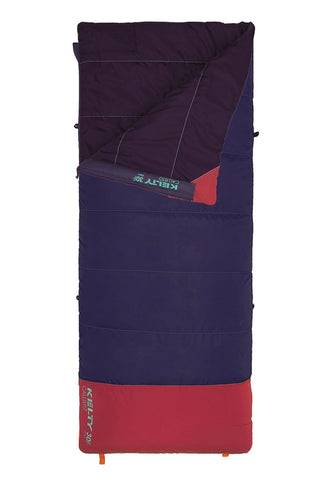
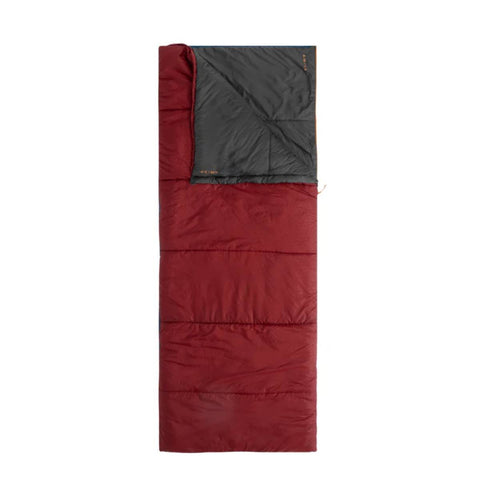
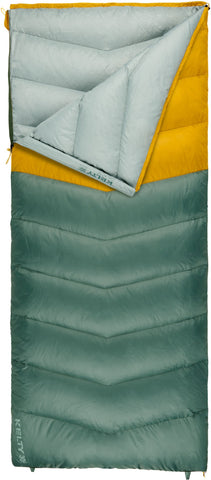
The shape of a sleeping bag affects both warmth and comfort, and this is usually the first decision parents face. A traditional rectangular sleeping bag is roomy, familiar, and easy for kids to get in and out of — great for cabin camping where temperatures stay moderate and your child moves around in their sleep. Many rectangular bags can also unzip fully to lay flat as a blanket, which adds versatility for warmer nights.
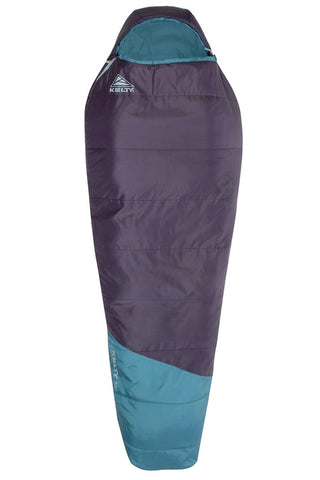
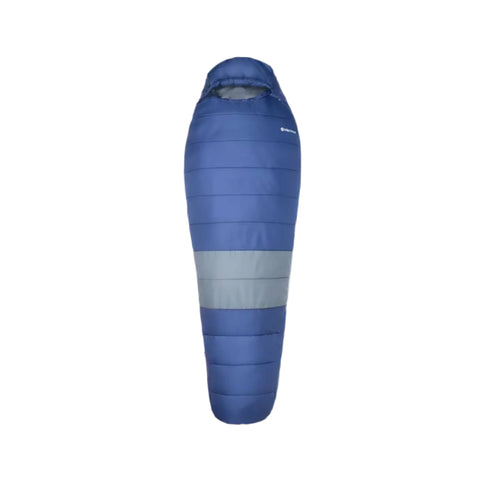
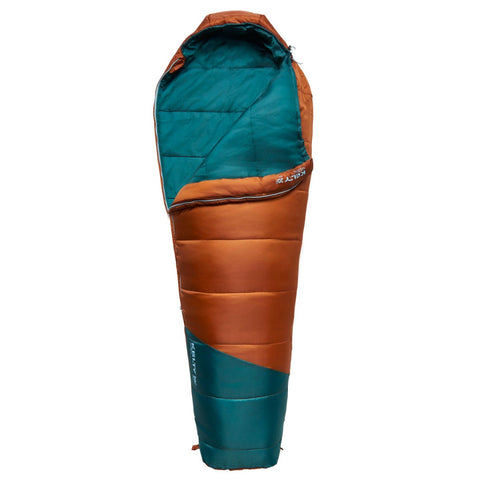
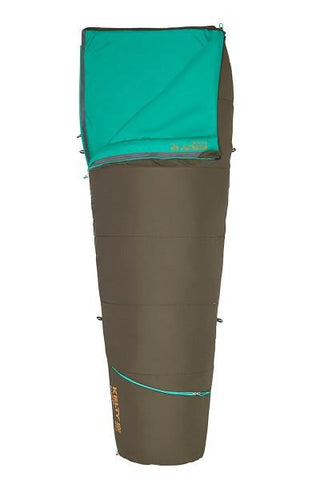
A mummy bag wraps closely around the body, tapering toward the feet and often including a hood. That snug design traps heat far more efficiently, making mummy sleeping bags the better choice for outdoor camping, cooler climates, or kids who run cold at night. The tradeoff is that restless sleepers sometimes feel a little confined. If your camper has never used a mummy bag, it may take a night or two to adjust — but most kids warm up to them quickly (pun intended).
Summer Sleeping Bag vs. Cold Weather Sleeping Bag
Temperature rating is the single most practical spec on a sleeping bag. It tells you the lowest temperature at which the bag is designed to keep a sleeper comfortable. For most summer camps — especially those with cabin accommodations — a bag rated to 40°F or 50°F is more than enough. For outdoor tent camping or camps in higher elevations, look for a rating closer to 20°F–30°F to build in a comfortable buffer.
A quick tip: sleeping bag temperature ratings can be optimistic. If you expect cool nights in the 40s, choose a bag rated to 30°F rather than 40°F. It's much easier to unzip a bag that's too warm than to add warmth to one that falls short.
Parent Tip
Check the weather history for your camp's region during the months your child will attend. Average overnight lows will tell you more than any packing list will about the temperature rating you actually need.
Cabin Sleeping Bag vs. Outdoor Sleeping Bag
Not all camps sleep under the stars. If your child is in a cabin with other campers and some form of climate control, a lighter, more packable sleeping bag is perfectly fine — and often more comfortable. Cabin sleeping bags tend to be rectangular, easy to wash, and less expensive, which is practical when gear gets the kind of daily use that only summer camp can dish out.
For camps that include backpacking trips, wilderness overnights, or extended time in tents, an outdoor sleeping bag with a lower temperature rating and a more packable design earns its place. These bags are built for the elements: durable, efficient, and designed to compress small enough to fit inside a kids' backpacking pack.
Down Sleeping Bag vs. Polyester-Filled Sleeping Bag

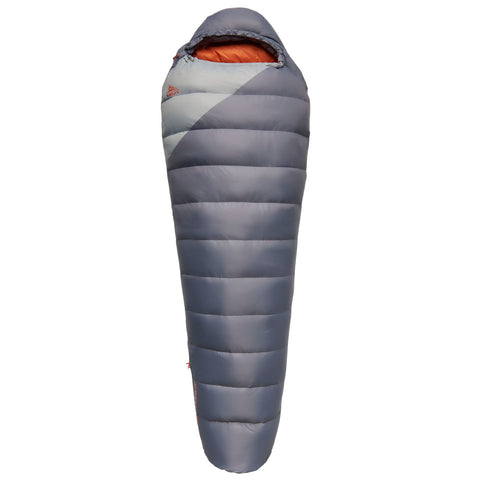
Down insulation — typically goose or duck down — is lighter, more compressible, and warmer per ounce than synthetic fill. A down sleeping bag packs smaller, lasts longer, and performs beautifully in dry conditions. The downside: down loses its insulating power when wet and takes longer to dry. It's also more expensive.
Polyester-filled sleeping bags are heavier and bulkier, but they insulate even when damp — a meaningful advantage for kids who spill water bottles or get caught in unexpected rain. They're also easier to care for and more budget-friendly, which makes synthetic fill a smart choice for many camp families. For typical summer camp use, a quality polyester-filled bag is more than up to the task.
Little Kids' Sleeping Bags vs. Teen Sleeping Bags
Fit matters in sleeping bags just as it does in clothing. A bag that's too large won't trap body heat efficiently — your child is essentially trying to warm a lot of empty space. Youth sleeping bags are sized for smaller frames, helping younger campers stay comfortable without extra bulk. Many brands offer expandable designs that grow with kids, adding a few inches of length as your child does — a smart investment for families sending younger campers for multiple seasons.
Teens can typically move into adult sizing, especially in regular or slim fits. The key is that the bag shouldn't be dramatically larger than the person sleeping in it. When in doubt, size down rather than up.
Choosing a Sleeping Pad for a Child's Sleeping Bag

A sleeping bag handles insulation from above. A sleeping pad handles it from below — and that matters more than most people expect. Cold ground pulls heat away from the body faster than cold air does, which means even a high-quality sleeping bag will underperform without a pad underneath it on a tent floor.
For cabin camping, a sleeping pad isn't strictly necessary but adds real comfort on a firm bunk mattress. Many camp kids discover that once they've slept on a pad, a bare mattress feels noticeably less comfortable. It's a small addition to the gear list that pays off in better sleep — which means a happier, more energetic camper the next day.
When choosing a sleeping pad for a child, consider:
-
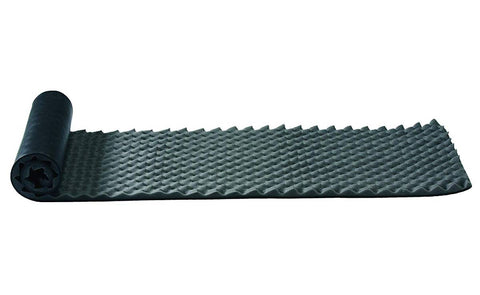
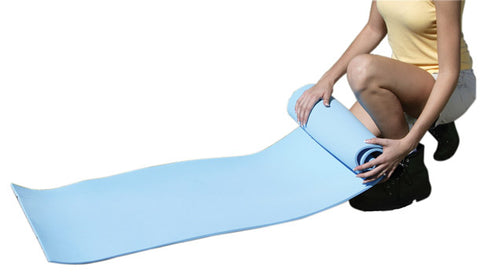
Foam pads — inexpensive, durable, and require no inflation. Great for cabin use and easy to strap to a pack.
-
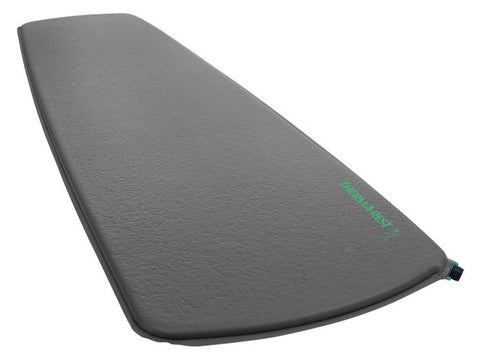
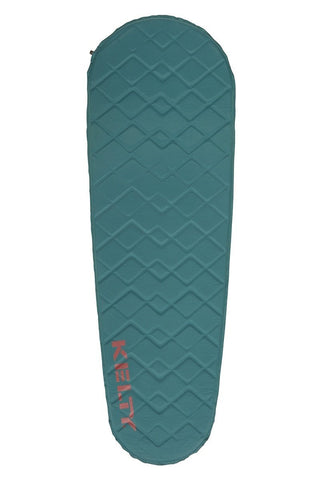
Self-inflating pads — more cushioned and comfortable, with a valve you open to let air in. A good middle-ground option for tent camping.
-
Packable ground pads — lightweight and compact, ideal for backpacking trips where every ounce counts.
For most campers, a simple foam pad or lightweight self-inflating pad is all they need. Once a camper has slept on one, they'll rarely want to go without.
FAQs About Kids' Sleeping Bags
What size sleeping bag is best for kids going to summer camp?
Youth-sized sleeping bags are designed to fit kids without excessive empty space, which is important for warmth and comfort. Look for a bag that's snug but not constricting — your child should be able to move their legs comfortably inside. Many youth bags include an expansion system that adds several inches of length as kids grow, which is a great value for families planning multiple camp seasons.
What temperature rating should I choose for a summer camp sleeping bag?
For most summer camps with cabin accommodations, a bag rated to 40°F–50°F is sufficient. For outdoor tent camping or camps in cooler regions, aim for 20°F–30°F. As a general rule, size the rating a bit lower than the coldest temperature you expect — sleeping bags can be too warm, but being too cold is a much worse problem on a camp night.
Do campers need a sleeping pad with their sleeping bag?
For tent camping, yes — a sleeping pad is essential. Cold ground draws heat away from the body faster than cold air, and even a warm sleeping bag loses effectiveness without insulation beneath it. For cabin camping, a pad isn't required but adds meaningful comfort on a firm bunk mattress. Many campers who try one won't go back to a bare mattress.
Can kids use the same sleeping bag for cabin camping and tent camping?
Often yes, depending on the temperature rating. A bag rated to 30°F will work comfortably in both a summer cabin and a tent on a cool night. If your child's camp alternates between cabins and outdoor overnights, choose a versatile mid-range rating rather than two separate bags. A rectangular bag that unzips fully can also double as a blanket during warmer cabin nights.
How warm does a sleeping bag need to be for summer camping trips?
It depends on location and elevation. Most summer nights at low-to-mid elevation camps range from 50°F–65°F, making a 40°F-rated bag a comfortable choice. Camps in the mountains or northern regions can see nights in the 30s even in July, so check your camp's average overnight lows before buying. When in doubt, go warmer — it's always easier to unzip than to shiver.
What brands make the best youth sleeping bags?
Kelty is one of the most trusted brands for kids' sleeping bags — their youth line offers great warmth-to-weight ratios, expandable designs, and reliable quality at reasonable prices. Marmot and EXPED offer excellent performance options for more serious camping. For families looking for solid value, Wenzel has been a dependable budget-friendly choice for decades. All of the brands we carry at Everything Summer Camp are selected for durability and real-world camp use.
Are kids' sleeping bags different from adult sleeping bags?
Yes — youth sleeping bags are proportioned for smaller bodies, which means a shorter overall length and a narrower cut. This matters because a bag that's too large won't hold body heat efficiently. Youth bags also tend to feature kid-friendly zippers, softer lining materials, and often brighter colors or designs. As kids approach their teen years, many can transition into adult "regular" sizing, but it's worth comparing dimensions first.
How do you choose the right sleeping bag for different camp weather conditions?
Start with the overnight low temperature for your camp's location during the session. Choose a temperature rating 10°F lower than the coldest night you expect. Consider the sleeping style: restless or warm sleepers do well in rectangular bags; kids who sleep still or run cold benefit from a mummy bag's efficiency. If weather conditions vary a lot, a mid-range bag with an unzippable design offers the most flexibility.
Are sleeping bags required for overnight campouts during summer camp?
For any outdoor overnight, yes — a sleeping bag is essential gear. For cabin stays, many camps allow sheets and a blanket as an alternative, but a sleeping bag is still the most practical and versatile option. It doubles as a blanket, provides consistent warmth regardless of bunk placement, and is far easier to manage in a camp laundry situation than a full set of bedding.
How do you clean and store a sleeping bag after camp?
Most synthetic sleeping bags can be machine washed on a gentle cycle with a mild detergent — always check the care label first. Tumble dry on low with a couple of clean tennis balls to restore loft. Down bags require a gentler process; many families opt for a professional cleaner. For storage, never compress a sleeping bag in its stuff sack long-term — store it loosely in a large mesh or cotton bag to preserve the insulation's loft and longevity.
Not Sure Which Sleeping Bag Is Right for Your Camper?
Our camp gear experts have helped families find the right sleeping bag for every camp type, climate, and camper for over thirty years. Reach out — we're happy to help you get it right the first time.
Ask Our Camp Experts