


Kids’ Hiking Backpacks

Shop Categories
Kids' Camping Backpacks: Choosing the Right Kind
Your child's school backpack might seem like the obvious choice for summer camp — it's already broken in, already familiar, already hanging by the door. But school backpacks are designed around lockers, laptops, and binder dividers, not trails, gear, and a full day of outdoor activity. For most kids heading to camp, a dedicated hiking or camping backpack makes the whole experience smoother and more comfortable.
Everything Summer Camp works with hundreds of camps every season, and a backpack is on virtually every packing list we see. The question isn't whether your kid needs one — it's which kind is right for them. Here's how to think it through.
Kids' Hiking Backpacks (Day Packs)
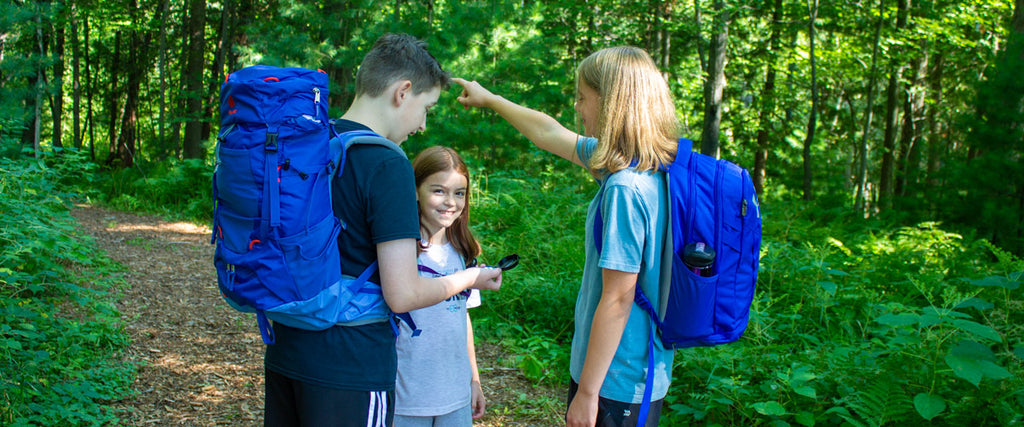
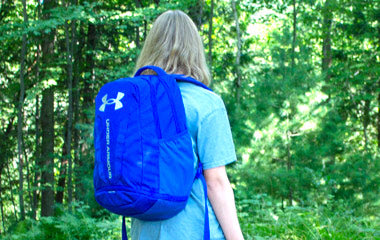
A kids' hiking backpack — also called a day pack — is the most common type of backpack for summer camp. Designed for day hikes and activity-filled camp days, these packs are lighter, more streamlined, and built to keep kids comfortable on the move. Most campers will use a day pack as their go-to bag throughout the summer.
When choosing a kids' day pack for camp, here's what to look for:

- Capacity of 10–20 liters — enough room for a water bottle, snack, rain jacket, sunscreen, and personal items without being too bulky
- Padded straps with an adjustable torso length to keep the fit comfortable as kids grow
- Hip belt or sternum strap to distribute weight and reduce shoulder strain
- Water bottle pocket — a side mesh pocket is a camp essential
- Weather-resistant material that can handle unexpected drizzle on the trail
- Simple layout — fewer compartments means more useful space for bulkier gear
School backpacks are built around smaller pockets, laptop sleeves, and pencil dividers — all useful in a classroom, but space-wasters on the trail. A hiking backpack's cleaner layout lets kids carry more of what actually matters, like rain gear or a large water bottle, without sacrificing comfort.
Check your camp's packing list before buying. Most camps will specify whether a day pack, a larger pack, or both are needed. When in doubt, a 15-liter kids' hiking backpack covers the widest range of camp scenarios.
Kids' Backpacking Packs
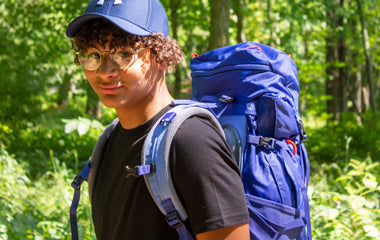
Backpacking packs are a different animal — designed for overnight or multi-day hikes where your child carries everything they need on their back. These larger, more structured packs have internal frames, adjustable suspension systems, and capacities ranging from 30 to 50+ liters. They're heavier and more expensive than day packs, and most campers won't need one unless their camp specifically includes backpacking trips.
Not sure if your camper needs a backpacking pack? Check your camp's packing list — if backpacking is part of the program, it will say so. Key features to look for in a kids' backpacking pack include:
- Adjustable torso length — critical for growing kids; the pack must fit their back, not an adult's
- Internal frame for load stability on uneven terrain
- Hip belt that transfers most of the pack's weight off the shoulders
- Ripstop nylon or similar durable material for multi-day wear and tear
- Multiple compartments to separate sleeping gear, clothing, and daily essentials
Backpacking packs are built with heavy loads in mind, which is exactly why proper fit matters so much for kids. A pack that sits too long on a child's torso will throw off their balance and make a long hike genuinely uncomfortable. When shopping for one, prioritize adjustability over brand or aesthetics.
FAQs: Kids' Camping and Hiking Backpacks
How do I buy a camping backpack online that I know will fit my child?
The most important measurement is torso length, not height or age. For kids' hiking backpacks, look for packs specifically designed for youth with adjustable torso lengths. Many quality brands include a simple measuring guide — you measure from the base of the neck to the top of the hip bones. When in doubt, size down rather than up; a pack that's slightly small beats one that rides low on the back.
What are the most important features in a kids' hiking backpack?
Padded shoulder straps with an adjustable fit, a side water bottle pocket, and weather-resistant fabric are the three non-negotiables. A sternum strap adds stability on the trail, and a hip belt helps distribute weight for longer hikes. Beyond that, simpler is usually better — fewer compartments means more room for the bulky items campers actually carry.
Does a child's camping backpack make a good travel backpack generally?
Yes — a well-made kids' hiking backpack works great as a carry-on, day trip bag, or travel companion. The durable materials, streamlined design, and comfortable straps make it more versatile than a typical school bag. It's one of those pieces of gear that earns its keep well beyond camp season.
How big should a backpack be for day hikes at camp?
For most day hikes at summer camp, a 10–20 liter backpack is the sweet spot. That's enough capacity for water bottles, a snack, a rain jacket, sunscreen, and a few personal items — without being so large that it throws off a child's balance or feels like a chore to carry. If your camper is on the younger or smaller side, aim for the lower end of that range.
Are kids' hiking backpacks better for camp than regular backpacks?
For most camp activities, yes. School backpacks are designed for classrooms — they're packed with compartments optimized for binders and laptops, not trail gear. Kids' hiking backpacks offer more usable space, better ventilation, sturdier materials, and weather resistance that regular backpacks simply can't match. If your child will spend time on trails or in outdoor activities, a hiking-specific pack is worth it.
What are all the items that will need to fit in a child's day pack?
On a typical camp hiking day, a child's day pack might carry: one or two water bottles, a snack or packed lunch, sunscreen, bug spray, a rain jacket, a headlamp or flashlight, a small first aid item or bandana, and any personal items the camp requires. A 15-liter pack handles all of this comfortably for most kids.
Are your kids' camping backpacks waterproof or water-resistant?
Most kids' hiking backpacks are water-resistant rather than fully waterproof — meaning they'll handle a light rain or brief splash without soaking through, but they're not designed for full submersion. For added protection on rainy hikes, pack a lightweight rain cover (some packs include one) or store valuables in a small dry bag inside the pack.
What are the best kids' backpacking pack brands?
Several brands make excellent youth backpacking packs. Osprey's youth line is consistently well-regarded for fit and durability. Kelty offers great value for families newer to backpacking. The North Face and Marmot also produce solid youth options with adjustable torso systems. The best brand for your child depends on their torso length, the trip length, and your budget — fit always comes first.
What backpack capacity (liters) is best for kids going to camp?
For day use at camp, 10–20 liters is ideal. For overnight or multi-day backpacking trips, 30–50 liters depending on the child's size and the length of the trip. If your camper needs just one pack for general camp use, a 15-liter day pack covers the most ground — it's versatile, not too heavy, and fits under most bunk beds or in a cubby.
Do kids need a hydration pack or water bottle pocket in their camp backpack?
A dedicated water bottle pocket — typically a mesh side pocket — is highly recommended for any camp backpack. It keeps water accessible without digging around inside the pack. Hydration bladder systems (reservoirs with a drinking tube) are a great option for longer hikes, and many kids' hiking backpacks are hydration-compatible. For general camp use, a side pocket plus a good camp water bottle is all most campers need.
Can kids use the same backpack for school and camp?
They can, but it's not the best setup for either. School backpacks are built around classroom organization — laptop sleeves, pencil pockets, binder dividers — features that take up space without adding function on a trail. A kids' hiking backpack, on the other hand, is built for movement and gear. That said, a quality day pack does double nicely as a travel or overnight bag beyond camp season, giving you solid year-round value.
Need Help Choosing the Right Pack?
Our summer camp gear experts are here to help you find the right kids' backpack for your camper's specific program and adventures. Reach out anytime — we've packed a lot of kids for a lot of trails.
Ask Our Camp Experts

