












How to Choose Kids Horse Riding Clothes and Accessories
For some young riders, summer camp is their first introduction to horseback. The opportunity to dedicate multiple weeks to learning how to properly engage with, mount, and ride a horse is cherished by young campers all over the United States. At Everything Summer Camp, we shop and inventory high quality equipment for young riders to ensure they can make the most of their equestrian experience. This guide breaks down what gear matters most and why certain pieces of equipment are essential for safety and performance.
What High Quality Boots Accomplish
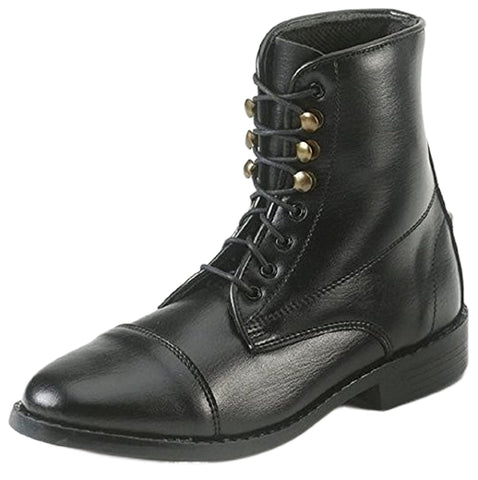
It's all in the boots! Well, not really, but having the right boots is a crucial part of horseback. Boots are specially designed to help keep a rider's feet in the stirrups. This is very important, because if a rider's foot were to slip through the stirrup they could fall and be dragged by the horse and seriously hurt.

Boots typically have a one to one and a half inch heel and smooth soles to help prevent stirrup slips. Paddock boots work well for beginners, while tall boots offer more leg protection for advanced riders. Half chaps paired with paddock boots give similar coverage to tall options at a lower price point. Quality boots do more than just help with the stirrups though. They also:
- Provide ankle support for stable leg position
- Durable enough to withstand mud, water, and other elements during trail activities
- Enhance control to communicate with the horse through leg cues
- Protect rider's feet and lower legs from impact or obstacles
Boots aren't the only vital piece of equipment for young equestrians. Another important piece is your horseback helmet.
Why Kids Need an Equestrian Helmet, Specifically
The vast majority of summer campers will spend hours in the saddle without ever falling off. But falls do happen and they can be dangerous, especially when a rider isn't wearing any protective headgear.
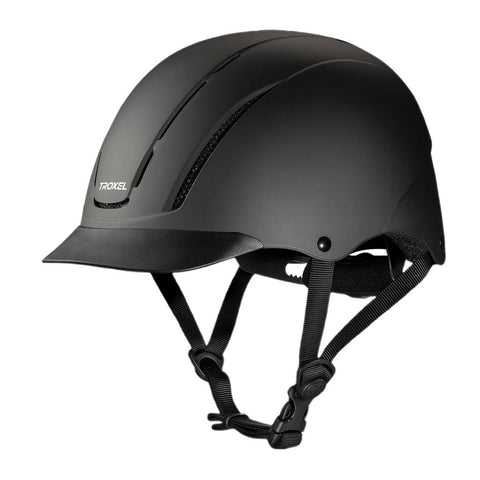
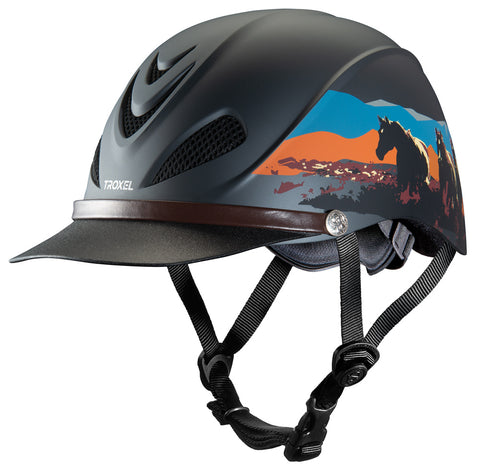
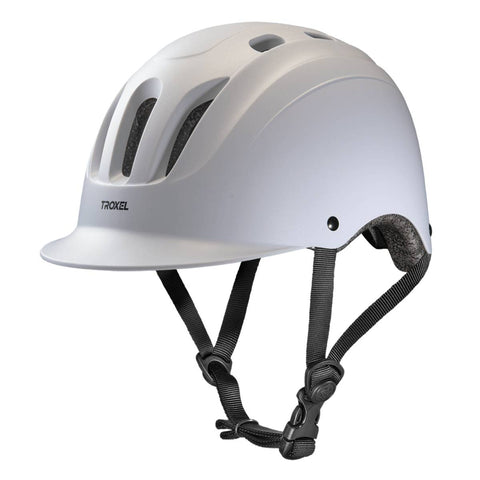
Horse helmets are designed to protect against the specific impact and falls that riders may face. For example, horseback helmets are tested to ensure they meet ASTM/SEI safety standards to ensure they offer adequate protection.
Unlike other helmets, horseback helmets are shaped and designed to protect the back of the head which is vulnerable during falls. Horseback helmets also protect more of the sides of the head in comparison to their bicycle or sports counterparts.
Pants: Nice to Have But Not Essential
Horse pants might be the only piece of horseback equipment that's optional for camp. Double check with your camp if pants are required to participate.
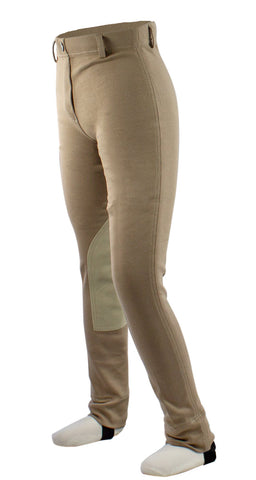
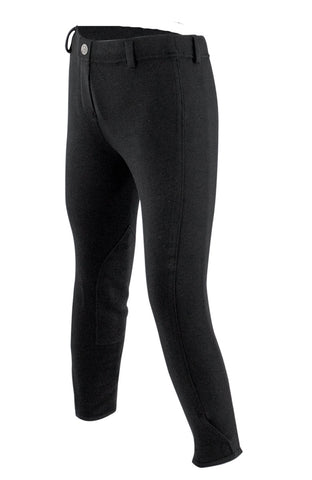
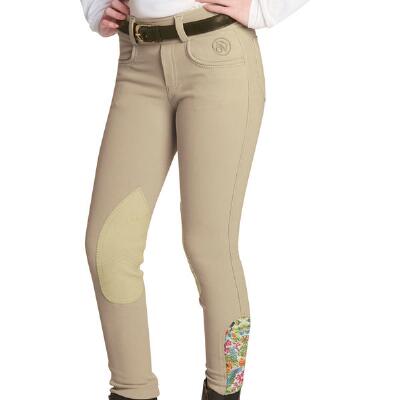
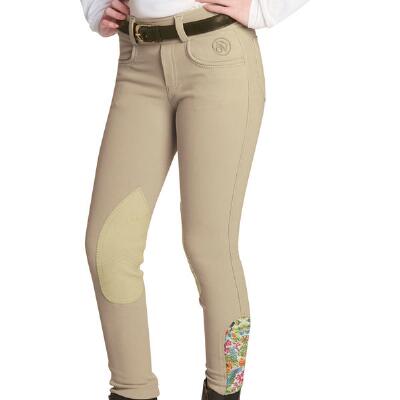
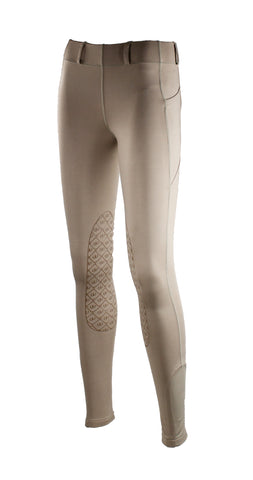
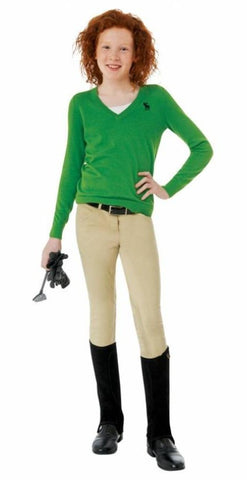
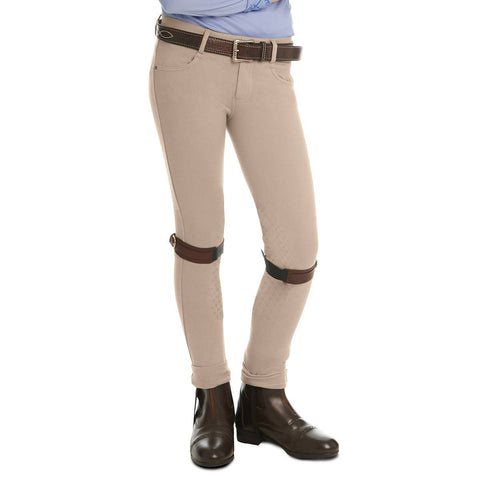
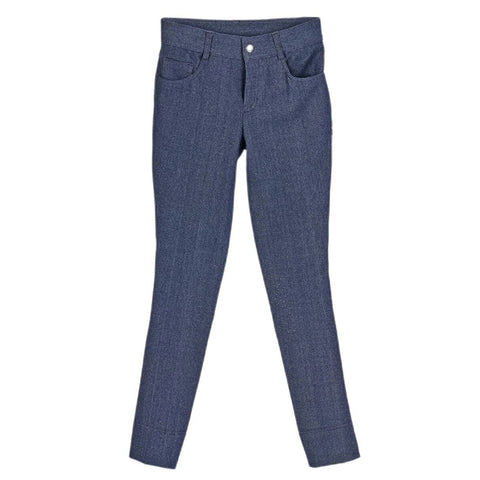
Breeches are the most common type of pants. They're designed with adequate stretch to sit comfortably in the saddle and feature reinforced inner legs that reduce chafing. Tights offer similar benefits with a more athletic fit. Chaps can be worn over regular pants to provide grip and leg protection without investing in specialized pants.
While kids riding clothing are nice to have because they're designed specifically for the saddle and protect your legs from trail branches, in most cases they're not mandatory for learning horsemanship. Regular fitted pants work fine for beginners.
Kids Equestrian Clothing and Girls Equestrian FAQs
Breeches end at the knee and are designed to be worn with tall boots. Jodhpurs extend to the ankle with a cuff that fits inside paddock boots. Both feature reinforced seats and inner legs for better grip in the saddle. Riding tights are similar to athletic leggings but designed specifically for horseback with grip panels and reinforced seams. All three offer better performance than regular pants, but beginners can start with any comfortable fitted option.
Measure your child's head circumference just above the eyebrows and around the widest part. Try on helmets in that size range—the helmet should fit snugly without pressure points. When your child shakes their head, the helmet shouldn't shift. Look for ASTM/SEI certification to ensure it meets safety standards. Most kids outgrow helmets every 2-3 years, and helmets should be replaced immediately after any fall or impact.
Quality boots can last 2-3 years with proper care, though growing feet often require sizing up sooner. Helmets should be replaced every 5 years maximum or immediately after any fall. Breeches and accessories typically last through one or two seasons depending on frequency of use. Safety equipment like helmets should always be replaced when they no longer fit properly or have been compromised by impact.
Clean boots after each ride, removing dirt and applying leather conditioner monthly. Store helmets in a cool, dry place away from direct sunlight. Wash breeches and other clothes according to care labels—most can be machine washed on gentle cycles. Air dry leather items and avoid high heat. Proper storage in a stable or designated area and regular cleaning significantly extend the life of all equestrian accessories and equipment.
Most retailers accept returns on unworn, unused items within 30 days. Check the specific return policy before purchasing. For safety items like helmets, some stores don't accept returns once tags are removed, so try them on carefully before committing. When shopping online, verify sizing charts and return policies upfront. We're happy to help you find the right fit—contact our team if you have questions about sizing or exchanges.
Riding gloves aren't essential for beginners but they help prevent blisters and improve grip on the reins. As children ride more frequently, gloves become more valuable for comfort and control. Look for gloves with good grip material on the palms and fingers. Basic options work fine for lessons—save specialized show gloves for competitions if your child progresses to that level.
Show clothing follows specific dress codes depending on the discipline. English show competitions typically require kids show outfits including show coats, light-colored breeches, tall boots, and conservative shirts. Western show events have different requirements. For everyday lessons, children can wear comfortable athletic clothing and basic boots. The gear functions the same way—show attire just meets competition dress standards and presentation requirements.
Kids can absolutely start in regular fitted pants like athletic leggings or jeans. Special breeches offer advantages like reinforced seams, grip panels, and materials designed for the saddle, but they're not required for beginners. Many young riders use regular clothes for months before investing in dedicated equestrian clothes for kids. As children ride more seriously or prepare for show competitions, purpose-built horse riding clothes for kids become more beneficial for comfort and performance.
Still have questions about equipment, stable supplies, blankets, or sheets for your young rider or pony? Not a problem—contact us and we'd be happy to provide you with more information. Our team has over thirty years of summer camp experience, and we'd be happy to help you get in the right direction.

