





How to Choose the Right Portable Camping Fan
Summer camp cabins are warm. That's just part of the deal — and for most campers, it's a non-issue until lights-out, when the heat makes it hard to wind down after a full day of activity. A good camping fan changes that equation completely. The right one keeps your camper comfortable, helps them sleep, and runs reliably through a whole camp session without needing a wall outlet.

Most summer camps are tech-free or have limited electricity in cabin areas, which means battery-powered and rechargeable fans are far and away the most practical choice. They fit easily in a camp trunk or hiking backpack, and they don't require your camper to find a free outlet in a crowded cabin. Here's how to think through the right choice for your child's setup.
Rechargeable vs. Battery Operated Fans for Camping
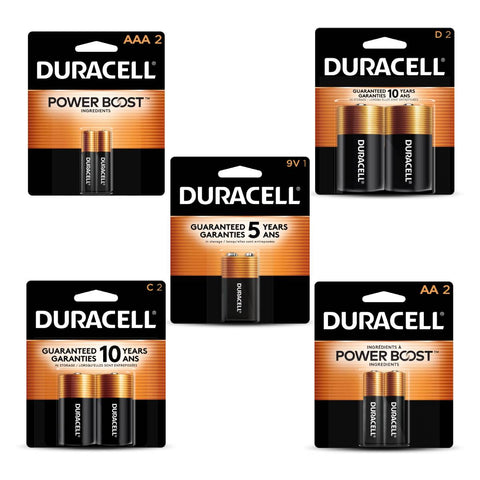
Battery-operated camping fans run on standard AA or AAA batteries — easy to find, easy to swap, and reliable even when there's no way to charge anything. For camps with zero access to electricity, disposable batteries are the simplest solution. Pack extras and your camper is set for the season.
Rechargeable camping fans use a built-in battery charged via USB. They tend to offer longer run times per charge and are more cost-effective over a full summer, but they do require occasional access to a charging source — a counselor's outlet, a charging station, or a care package from home. Many camps have designated charging areas even in tech-free environments, so it's worth checking before you decide.
Check with your camp about charging access before choosing a rechargeable fan. If outlets aren't available to campers, a battery-operated fan with a fresh set of batteries is the more dependable choice.
Dual Purpose Camping Fans

Some of the most popular camping fans do double duty — and for good reason. A fan and light combo is particularly useful at camp, where campers need to navigate bunks after dark, write letters, or read before bed without disturbing their cabinmates. The O2COOL Deluxe Fan and Light is a camp favorite for exactly this reason: it clips to a bunk, runs on batteries, and provides both a cooling breeze and a reading light in one compact package.
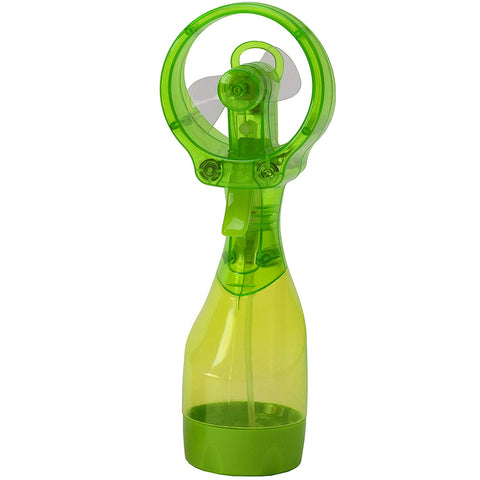
Misting fans are another dual-purpose option worth considering for outdoor use. Rather than just circulating warm air, a misting fan releases a fine cool water mist that cools through evaporation — noticeably more effective on a hot day outside. They're great for hikes, outdoor activities, and any time a camper needs fast relief from the heat.
Tent Fans vs. Camp Bunk Fans
For cabin camping, a clip-on or small desk fan is the most practical choice — it attaches directly to a bunk frame, stays out of the way, and directs airflow exactly where the camper needs it. Clip fans are compact, easy to position, and don't take up floor or shelf space in a crowded cabin.
For tent camping or outdoor overnights, a slightly larger portable fan with a longer run time makes more sense. Tent fans often sit on the tent floor or hang from a loop at the top, circulating air through the whole space. Look for one with a quiet motor and a run time of at least 8 hours on a single charge or set of batteries — enough to last through a full night.
FAQs About Fans for Camping
What type of fan works best in a camp bunk — clip, desk, or hanging?
Clip-on fans are the most popular choice for camp bunks. They attach directly to the bunk frame or bed rail, keep floor space clear, and direct airflow right at the camper. Desk fans work well if there's a shelf or flat surface nearby. Hanging fans are less common in cabins but can work in tents. For most bunk setups, a clip-on fan is the simplest and most effective option.
Should I choose a battery-operated or rechargeable camp fan?
It depends on your camp's electricity access. If campers have access to USB charging — even occasionally — a rechargeable fan is more economical and offers longer run times. If the camp is fully off-grid or doesn't allow campers near outlets, a battery-operated fan with extra batteries is the more reliable choice. When in doubt, check with the camp before buying.
How long do camping fans typically last on a single charge?
Run time varies significantly by fan size and speed setting. Small clip-on fans typically run 4–8 hours on a set of batteries or a full charge. Larger portable fans can run 8–20 hours on lower settings. For overnight use, look for a fan rated to at least 8 hours — enough to run through a full night's sleep without needing attention.
Are camping fans safe to use overnight in a bunk?
Yes — battery-powered and rechargeable camping fans designed for personal use are safe for overnight operation. They draw very little power, don't generate significant heat, and are specifically designed for continuous use. Make sure the fan is clipped or positioned securely so it can't fall during the night, and keep cords (if any) tidy and out of the way.
How noisy are camping fans?
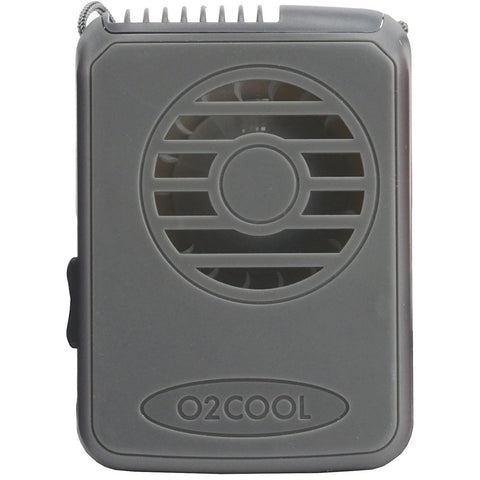
Most small personal camping fans run quietly enough not to disturb a cabin. The white noise they produce actually helps many campers sleep better by masking other cabin sounds. If noise is a concern, check product reviews for mentions of sound level, or look for fans specifically marketed as "whisper quiet." The O2COOL Deluxe Necklace Fan and similar personal fans are notably quiet at lower speed settings.
Can a fan help keep bugs away in a camp cabin?
To some extent, yes. A steady breeze makes it harder for mosquitoes and other flying insects to navigate, so a fan pointed at your camper's sleeping area does provide some incidental bug deterrence. It's not a replacement for bug spray or a screen, but it's a useful secondary benefit — especially for outdoor camping where bugs are more active.
What is the best size fan for a bunk bed or small cabin space?
For a bunk bed, a compact clip-on fan in the 4–6 inch blade range is ideal — small enough to clip to the bunk frame without getting in the way, but powerful enough to move meaningful airflow. For a small cabin with multiple campers, a slightly larger desk or portable fan on a shared shelf can supplement individual clip fans. Bigger isn't always better in a tight cabin space.
Do camping fans need to be packed in a trunk or carry-on bag?
Small clip-on and personal fans pack easily into a camp trunk, duffel, or backpack without taking up much space. If your camper is flying to camp, battery-operated fans are fine in checked luggage — just pack batteries separately per airline guidelines. Rechargeable fans with built-in lithium batteries may need to travel in a carry-on depending on battery capacity, so check the product specs and your airline's rules before packing.
Are clip-on fans better than standing fans for bunk beds?
For bunk beds specifically, yes — clip-on fans are almost always the better choice. They mount directly to the bunk frame, stay elevated at the right level for the sleeping camper, and don't require floor or shelf space. Standing fans need a flat surface at an appropriate height, which is harder to arrange in a typical camp cabin. Clip fans also travel more easily and are less likely to tip over.
Can a camping fan also be used as a light or lantern?
Yes — combo fan and light units are a popular camp pick for exactly this reason. The O2COOL Deluxe Fan and Light clips to a bunk and provides both cooling airflow and a reading light, making it one of the most useful dual-purpose items on any camp gear list. It's ideal for nighttime reading, letter writing, or navigating a dark cabin without waking everyone up.
How do you charge a fan at camp if there are no outlets?
If your camp has no outlet access, a battery-operated fan is the practical answer — stock up on fresh batteries before the session and send a spare set in a care package midway through. Some families also send a small solar charging bank for rechargeable gear, though this depends on whether your camp permits it. When in doubt, battery-operated is always the reliable fallback.
Are camping fans durable enough for a full camp season?
The fans we carry at Everything Summer Camp are selected for durability and everyday use — not just occasional weekend camping. A quality clip-on or personal fan should hold up comfortably through a full 4–8 week camp season with regular use. Look for fans with solid clip mechanisms, durable blade guards, and solid construction. Reading a few reviews for real-world durability feedback is always a good move before buying.
What features should I look for in a fan for hot summer camps?
For a hot-weather camp, prioritize: multiple speed settings so your camper can dial in their comfort level, a run time of at least 8 hours for overnight use, a secure clip or stable base, and quiet operation. For outdoor activities or particularly hot climates, a misting fan adds an extra layer of cooling through evaporation. A fan/light combo is a bonus worth considering for any camper who reads or writes before bed.
Stay Cool All Summer Long
A good fan is one of those small gear additions that makes a real difference at camp. Browse our full selection of battery-powered and rechargeable camping fans — and reach out if you need help picking the right one for your camper's setup.
Ask Our Camp Experts

